Home › Solar Farm and Energy Project Hydroseeding
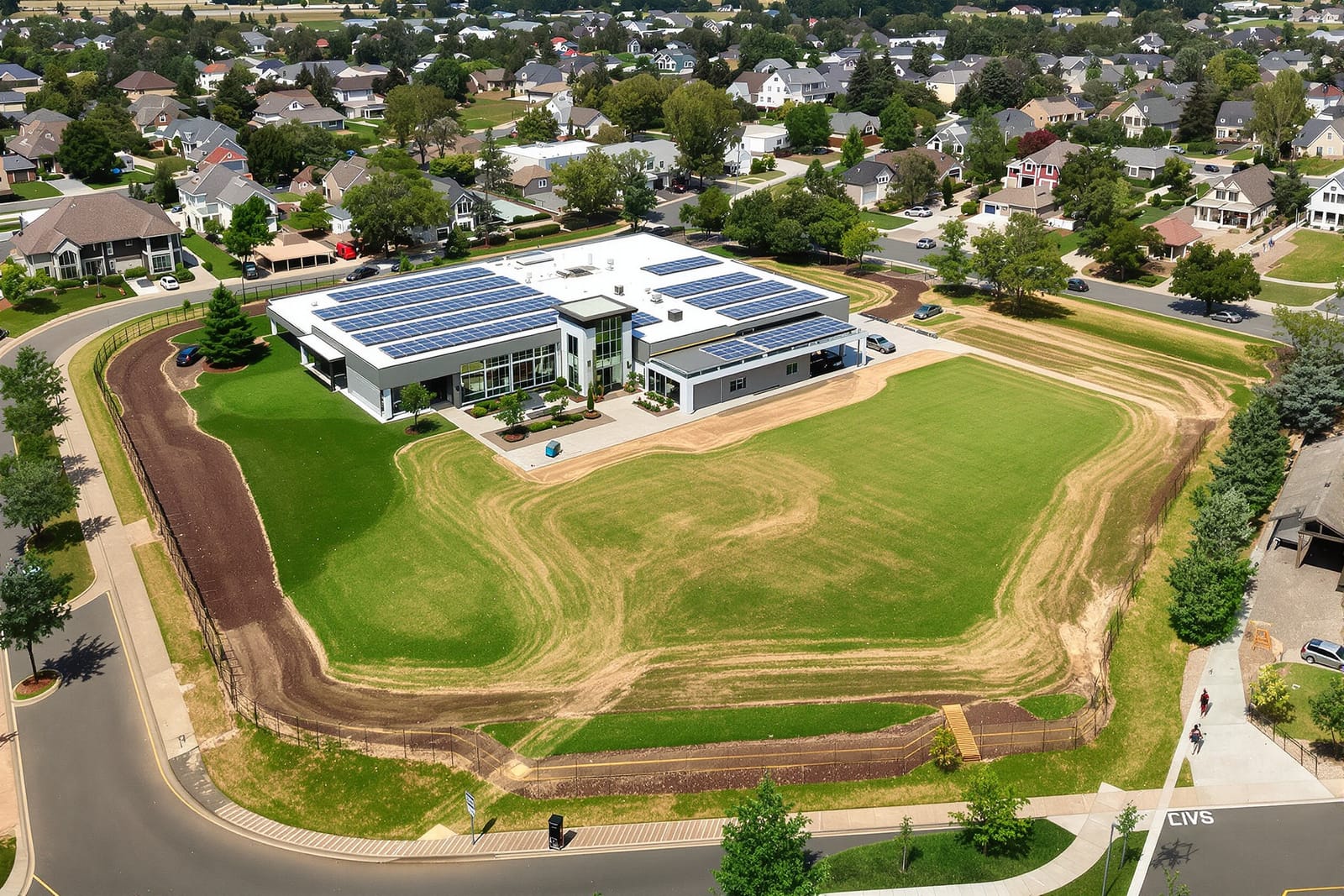
We provide solar farm hydroseeding in Raleigh, NC to stabilize soils around arrays, inverters, and access roads on energy projects. Our mixes focus on low growing, non shading species with strong root systems to control erosion. We coordinate with construction schedules to minimize equipment conflicts. Request a hydroseeding plan for your solar or energy project today.
Legendary Hydroseeding Raleigh provides professional solar farm hydroseeding throughout Raleigh, NC, North Carolina and the surrounding area. Our licensed, insured crew delivers safe, clean, on-time work with a free estimate before anything begins. Call 984-205-9096 or request your free quote.
Soil stabilization and vegetation for Raleigh solar farms
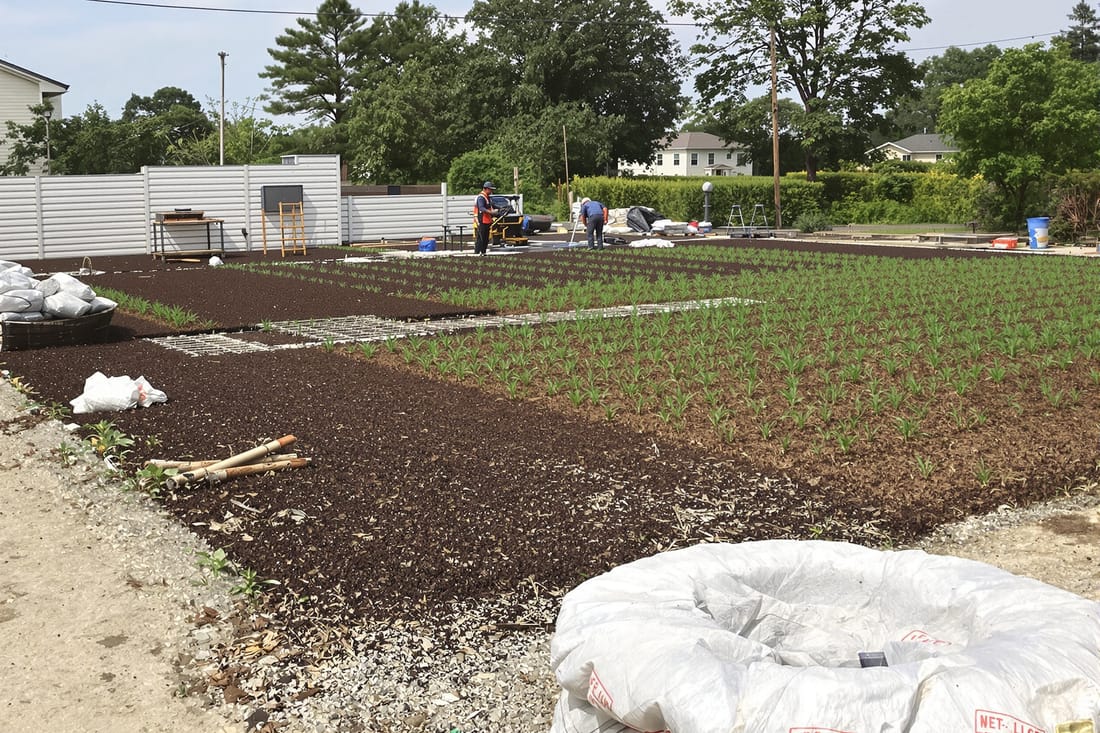
Solar farm hydroseeding is not just about making a site green. It is about protecting your racks, cables, drainage, and access roads from erosion and sediment movement. Legendary Hydroseeding Raleigh focuses specifically on the needs of utility-scale and community solar projects in central and eastern North Carolina, including Wake, Johnston, and Franklin counties.
On most local solar arrays, the greatest risk is on sloped inverter pads, trench backfill, stormwater swales, and the long row middles that can turn into ruts during summer thunderstorms. Our hydroseeding approach creates dense, low growing vegetation that protects the soil, keeps inspectors satisfied, and reduces long term mowing and maintenance. We design every seed and mulch mix around your site grading plan, soil test results, and your interconnection and environmental permit conditions.
Our step by step process for solar farm hydroseeding
1) Site review and plan coordination: We start by reviewing your grading and erosion control plans, along with any seed specifications in your NPDES permit or construction drawings. For projects in Raleigh, Cary, Clayton, or surrounding communities, we often coordinate with your civil engineer or EPC to ensure our hydroseeding schedule fits energization dates and utility inspections.
2) Soil testing and surface prep: Before spraying, we check soil pH and compaction in representative areas, especially around array posts and access roads. Piedmont clay common around Raleigh often needs lime and lighter topdressing, while sandier soils closer to Zebulon or Knightdale may need extra organic matter. We recommend scarifying or tracking in heavily compacted zones, then removing construction debris so the mulch can bond directly with soil.
3) Custom hydromulch mix: Based on your site and regulatory needs, we load our tank with a tailored blend. This typically includes seed (cool season fescue or native blends, depending on your spec), tackifier, fertilizer, and a cellulose or wood fiber mulch. For steeper slopes at detention basins or perimeter berms, we may recommend a higher ratio of wood fiber or bonded fiber matrix for stronger erosion control.
4) Application around sensitive equipment: We spray with fan tips that allow precise placement under and between racking, around tracker posts, and near combiner boxes without coating sensitive electrical gear. Our crews are trained to maintain buffers around pads and cabinets, then finish by hand in tight areas that machine sprayers cannot safely reach.
5) Follow up and touch ups: After germination begins, we revisit any thin or damaged spots, such as utility crossings or areas disturbed by late stage trenching. This is particularly important if your project has aggressive inspection timelines from the City of Raleigh or NCDEQ. Touch up hydroseeding keeps you on schedule and minimizes change orders for additional erosion control work.
Seed mixes tailored to solar and energy project needs
Solar farm groundcover needs to stay low, tolerate occasional shade from panels, and handle foot and light equipment traffic. Legendary Hydroseeding Raleigh works with three primary categories of seed mixes for energy projects in the Raleigh region.
Low growing turf type mixes: For many utility scale solar arrays, we use endophyte enhanced tall fescue blends combined with low growing companion species like white clover where permitted. These mixes stay manageable for mowing under panel rows and resist wear around maintenance paths.
Pollinator friendly and native mixes: Some projects, especially those with public visibility or specific permit conditions, require native or pollinator focused vegetation. We can incorporate native warm season grasses like little bluestem and switchgrass along with pollinator forbs. For these sites we adjust application timing so delicate wildflower seed goes down in the correct season for germination.
Stormwater and perimeter mixes: Around basins, roadside ditches, and security fence lines, we often specify deeper rooting grasses that anchor soil and tolerate periodic inundation. This may include annual rye for fast cover plus a permanent mix that establishes more slowly. We always verify that mixes meet your engineer of record specifications and any NC Department of Transportation standards if your project fronts a state road.
What drives solar farm hydroseeding cost in Raleigh
Solar farm hydroseeding pricing is influenced by several specific factors that developers and EPCs should understand when budgeting.
Acreage and layout: Wide open central fields are more efficient to spray than narrow fingers between existing infrastructure or wooded buffers. A 40 acre open block near Rolesville costs less per acre than 40 acres broken into small, separated zones with difficult access.
Slope and erosion risk: Steeper slopes along the Neuse River basin, large perimeter berms, or high risk outfalls generally require heavier mulch rates, stronger tackifiers, or upgraded bonded fiber products. These changes add material cost but dramatically reduce the likelihood of washouts and rework after heavy storms.
Seed type and specification: Standard fescue based mixes that comply with most Raleigh area erosion control plans are very cost effective. Native or pollinator blends, or seed mixes that must meet tight DOT or federal project specs, involve higher seed costs and more careful handling.
Access and water supply: Hydroseeding is most efficient when we can position our trucks close to the work area and have a reliable water source. Remote sites or those with limited access through narrow farm roads may require smaller equipment or shuttling water tanks, which affects labor time.
Scheduling requirements: Rush schedules to hit energization dates, especially if you want seeding completed in a narrow planting window, may require larger crews or extended hours. We are upfront about how timing affects price so you can balance cost against schedule risk.
Common solar site erosion issues and how we solve them
Solar projects around Raleigh see a specific pattern of erosion problems that differ from residential lawns or road projects. Legendary Hydroseeding Raleigh has solved these repeatedly on both new construction and retrofit sites.
Trench line settlement: Electrical and communication trenches often settle after backfilling, creating low spots that channel water and expose cables. After initial hydroseeding, we monitor these lines and can return to regrade and reseed any trenches that settle, using fiber mulch and tackifier to lock the new soil in place.
Array row runoff: Long continuous rows of panels concentrate runoff at the drip lines, especially on slopes. We adjust our seed and mulch application to reinforce these drip zones and may recommend surface roughening or biodegradable erosion blankets in the most vulnerable sections.
Access road and entrance washouts: Gravel entrances off NC or Wake County roads are inspected closely. We use hydroseeding on the shoulders and ditches around these entrances to stabilize soil quickly, reduce sediment tracking, and help you maintain compliance with your construction stormwater permit.
Late phase disturbance: Utility tie ins, fence installation, or communications upgrades often disturb soil after the main seeding is complete. We offer responsive touch up hydroseeding to close out these areas before final punch lists and turnover to the owner.
Local timing, weather, and regulatory considerations
Raleigh’s climate and regulatory environment heavily influence how and when solar farm hydroseeding should be done.
Planting windows: Cool season grasses perform best when seeded in early fall, typically September through mid November, or in early spring. Summer plantings are sometimes unavoidable to meet project schedules, but then we adjust mulch rates, irrigation planning, and species to handle heat and thunderstorms.
Heavy rain events: The Triangle sees intense summer storms and occasional tropical systems. For high risk areas seeded in rainy seasons, we may use higher performance hydromulches with stronger bonding and faster germination seed, reducing the risk of rilling and sediment leaving the site.
Permitting and inspections: NCDEQ and local municipalities require that disturbed areas be stabilized within specific time frames. We are familiar with the expectations of Wake County and the City of Raleigh inspectors, so we design our hydroseeding plans to satisfy both the letter of your permit and practical inspection standards.
Long term operation: Owners and O&M providers want predictable, low maintenance vegetation. We consider your planned mowing equipment, panel height, and access paths when selecting seed and coverage, which helps avoid repeated vegetation management issues over the life of the project.
Why energy developers choose Legendary Hydroseeding Raleigh
Legendary Hydroseeding Raleigh is set up to handle the scale, documentation, and coordination that solar and energy projects demand. We understand that for a 20 or 200 acre array, vegetation is part of your compliance, your public image, and the reliability of your infrastructure.
Our crews are accustomed to working around driven posts, fixed tilt and tracker systems, inverters, and underground utilities. We carry appropriate insurance for large commercial and utility jobs, can provide detailed application records, and coordinate with your superintendent to stay out of critical work zones while still meeting stabilization deadlines.
We also recognize that no two energy projects are the same. A community solar field near downtown Raleigh with neighbors on three sides has different expectations than a rural site in eastern Wake County. Our recommendations are built on local soil conditions, real weather patterns, and first hand experience with how solar farms age over time in this region.
If you are planning a new solar array or need to correct erosion issues on an existing energy project, we can review your plans, walk the site, and provide a clear, project specific hydroseeding proposal that aligns with both your budget and your schedule.