Home › Native Meadow and Wildflower Hydroseeding
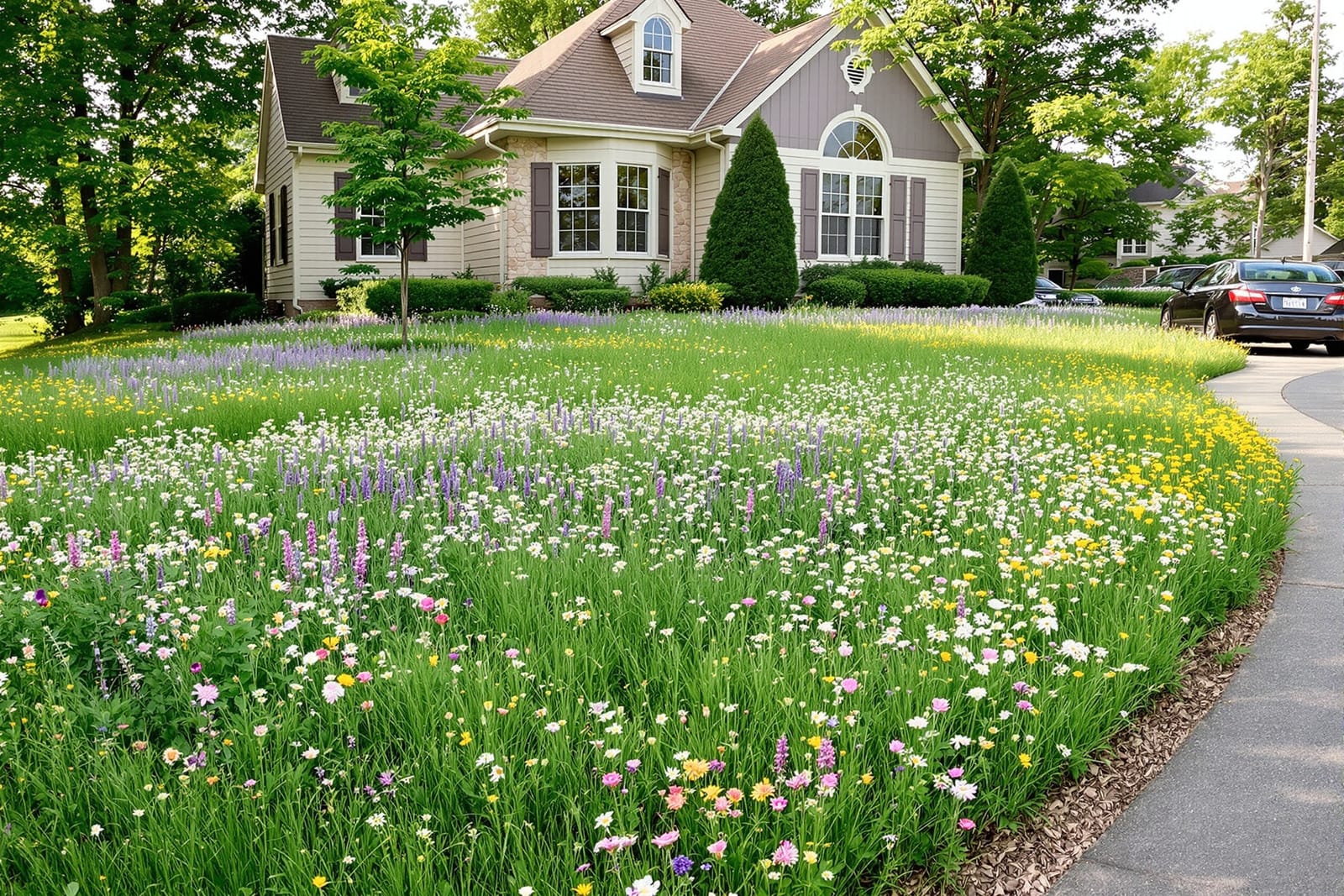
We provide wildflower hydroseeding in Raleigh, NC to turn open areas into colorful native meadows. Our custom mixes support pollinators, reduce mowing, and control erosion on larger spaces. From backyard meadows to naturalized property edges, we design seed blends that thrive in local conditions. Request a native meadow and wildflower hydroseeding consultation today.
Legendary Hydroseeding Raleigh provides professional wildflower hydroseeding throughout Raleigh, NC, North Carolina and the surrounding area. Our licensed, insured crew delivers safe, clean, on-time work with a free estimate before anything begins. Call 984-205-9096 or request your free quote.
Turn open ground into a native meadow in Raleigh
If you have a sunny patch of ground that keeps turning into weeds or mud, native meadow and wildflower hydroseeding can turn it into a low‑maintenance, pollinator‑friendly landscape. Legendary Hydroseeding Raleigh focuses on mixes that actually thrive in the Triangle climate, not generic wildflower blends pulled off a shelf.
Wildflower hydroseeding is different from regular lawn hydroseeding because the seed mix, soil prep, and first‑year care are all geared toward perennials and native grasses instead of turf. Our projects around Raleigh, Cary, and Garner range from small front yard strips to 2‑acre fields behind new homes. We help homeowners, HOAs, and small commercial sites create meadows that look intentional, not abandoned.
Raleigh’s heat, clay soils, and surprise thunderstorms can be hard on seedlings. We choose species and hydroseeding methods that tolerate compacted clay, short droughts, and heavy downpours. The goal is not a postcard‑perfect bloom on day one, but a planting that gets better each year with less mowing and less irrigation than a traditional lawn.
How our wildflower hydroseeding process works
Every native meadow and wildflower hydroseeding project with Legendary Hydroseeding Raleigh starts with a site walk. We look at sunlight hour by hour, existing vegetation, slope, and how water moves across the property. We take note of HOA visibility, any existing irrigation, and where you want paths, mowed borders, or a more formal edge.
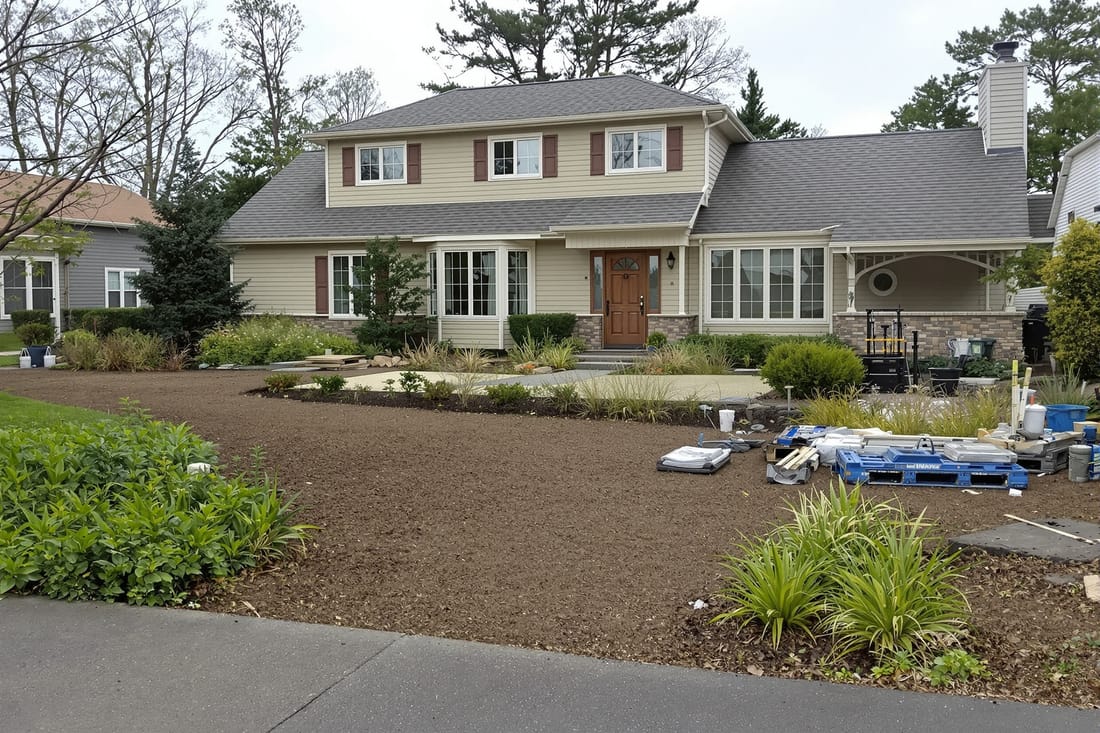
Step 1: Site preparation. For turf conversions, we usually knock back existing grass and weeds using a combination of mechanical removal and, when appropriate, a non‑selective herbicide applied in accordance with North Carolina regulations. In some cases, especially on small or sensitive sites, we use repeated scalping and shallow tilling instead. Clay soils are lightly scarified 1 to 2 inches deep to break the crust but not bring up a new crop of weed seed.
Step 2: Soil amendments. We often incorporate compost or organic matter into the top few inches on very compacted lots, especially in new subdivisions where builder fill is common. If you already have a soil test from NC State, we use it. If not, we can work from local experience or arrange a test for larger projects. Phosphorus levels are important, because too much can favor aggressive weeds over native flowers.
Step 3: Custom seed mix selection. This is where wildflower hydroseeding really becomes site specific. For a full sun Raleigh backyard, we might combine native perennials like black‑eyed Susan, lanceleaf coreopsis, bee balm, purple coneflower, and scarlet sage with warm‑season natives such as little bluestem or sideoats grama. For part‑shade, we increase shade tolerant species and reduce warm‑season grasses. If an HOA wants a more “tidy” look, we include species that bloom in bands through the season so it always looks like a planned garden rather than a field.
Step 4: Slurry mixing and application. We blend seed with water, tackifier, a cellulose or wood fiber mulch, and sometimes a light starter fertilizer. For wildflowers we are careful not to overshoot fertilizer, because rich soil can favor weedy grasses. The mulch in the slurry stabilizes the seeds on your sloped Carolina red clay and helps hold moisture during germination.
Step 5: Post‑seeding instructions and optional follow‑up. You receive a simple watering and mowing schedule tailored to the season we spray. For many native meadow installations, we recommend a “nurse mow” in the first year to knock back annual weeds while the perennials build roots. We also offer seasonal follow‑up visits to spot treat invasives and check establishment.
What a native meadow really looks like in year 1, 2, and 3
One of the most useful things to know before you invest in wildflower hydroseeding is that a native meadow is a multi‑year project. Legendary Hydroseeding Raleigh is very clear about what you can expect in each season so you are not surprised.
First growing season: You will see green quickly, but much of it is early successional cover and young perennials that are focusing on roots, not blooms. Annual wildflowers in the mix, like plains coreopsis or annual gaillardia, provide color while the long‑lived perennials are getting established. We typically recommend at least one or two high mows at 8 to 10 inches if weeds like crabgrass or pigweed start to dominate. This does not hurt the young perennials underneath.
Second growing season: This is when most Raleigh property owners start to say, “Now I see the meadow.” Perennials such as coneflower, bee balm, yarrow, and black‑eyed Susan take off and the grasses begin to structure the planting. You may still see some weeds, especially along edges or in drainage paths, but a properly designed mix will begin to outcompete them. We may suggest a late winter mow to about 6 inches to knock down stalks, return some organic matter to the soil, and make way for new growth.
Third season and beyond: The plant community becomes more stable, root systems are deep, and the meadow can handle Raleigh’s hot, dry stretches with minimal or no supplemental irrigation. At this point, most maintenance consists of one annual cutback in late winter, inspection for invasive species like Johnson grass or sericea lespedeza, and touch‑up seeding in any thin areas. Many clients add walking paths or small sitting areas once they see how the meadow naturally lays out.
Because we work across Wake County, we have seen how different neighborhoods, soils, and slopes behave over several years. We use that record to adjust seeding rates, species balance, and mowing recommendations so your meadow matures into something you are proud to show neighbors and HOA committees.
Costs, HOA expectations, and local considerations in Raleigh
Wildflower hydroseeding is usually more affordable per square foot than installing container plants or rolled wildflower sod, but pricing is still driven by a few key factors. The biggest drivers are size of the area, how much site prep is needed, slope and access for our hydroseeder, and whether you choose a standard or custom native mix. Areas with heavy existing Bermuda or centipede invasion often require more thorough preparation, which adds some cost up front but saves frustration in year two when grass tries to reclaim the space.
Most residential wildflower hydroseeding projects we see in Raleigh fall between modest front yard conversions and larger back meadow areas. Per square foot cost typically drops as the project gets larger. We are always happy to quote a couple of options, such as a high‑diversity all‑native mix versus a slightly more economical blend that includes some non‑invasive, non‑native annuals for first‑year color.
In Wake County and the City of Raleigh, a typical residential native meadow does not require permits, but stormwater and erosion rules still matter. If we are hydroseeding on a steep slope, near a drainage swale, or over freshly graded soil, we consider erosion control as part of the design. This might mean including more native grasses and using a heavier mulch rate on the downslope area. For commercial and larger HOA common areas, there may be specific landscape requirements tied to approvals, especially near stormwater ponds. We are familiar with those conversations and can provide written species lists and seeding rates when your property manager or inspector asks.
HOAs around Raleigh vary widely in how they view meadows and wildflower plantings. Some love them, others want clear structure. To avoid issues, Legendary Hydroseeding Raleigh can design a plan that includes mowed or mulched borders, defined edges along sidewalks, or a simple sign indicating that the area is a managed pollinator meadow. These visual cues usually satisfy association boards and help neighbors understand that what they are seeing is intentional, not neglect.
Watering, maintenance, and how we support your meadow long term
Wildflower hydroseeding does not mean you can ignore water in the first weeks. In the Triangle climate, spring and fall are the best times to seed because natural rainfall helps, but we still recommend supplemental irrigation when needed. For most Raleigh projects, we suggest keeping the top half inch of soil consistently moist for the first 3 to 4 weeks, then gradually shifting to less frequent, deeper watering. If you do not have an in‑ground system, simple temporary sprinklers on hoses are usually enough.
After establishment, a native meadow should need far less water than a traditional cool‑season lawn. Deep‑rooted natives handle North Carolina summer heat better than shallow turf. The main ongoing tasks are seasonal mowing, weed monitoring, and occasional overseeding. We provide a simple calendar that outlines what to do in each season. For example, a late winter mow in February, spot treatment of invasive patches in May or June, and, if needed, light overseeding in fall.
Common issues we help Raleigh property owners with include: unexpected weed flushes from the existing seed bank, erosion on a few bare spots after a strong thunderstorm, or HOA concerns about height. For weeds, we can identify whether the plants you are seeing are part of the seed mix or opportunistic invaders. For erosion, we may add straw wattles, apply a localized second hydroseeding pass, or slightly shift the species mix in thin zones. For HOA questions, clear mowing lines and a written maintenance plan often solve the problem.
Legendary Hydroseeding Raleigh does not just spray and disappear. We offer optional first‑year support visits, either one‑time or seasonal, to walk the meadow with you, answer questions about what is popping up, and adjust the care plan if weather throws us a curveball. Our goal is that, a few years from now, you have a thriving, colorful, low‑input landscape that reflects the plants and pollinators of central North Carolina.