Home › Pipeline and Utility Corridor Hydroseeding
We offer pipeline hydroseeding in Raleigh, NC to restore rights of way and utility corridors after installation. Our crews handle long, narrow alignments, steep cuts, and access paths with efficient application methods. Re vegetated corridors reduce erosion, improve access, and satisfy permit requirements. Request a utility corridor hydroseeding quote for your next project.
Legendary Hydroseeding Raleigh provides professional pipeline hydroseeding throughout Raleigh, NC, North Carolina and the surrounding area. Our licensed, insured crew delivers safe, clean, on-time work with a free estimate before anything begins. Call 984-205-9096 or request your free quote.
Pipeline Hydroseeding for Raleigh’s Corridors
Pipeline and utility corridor hydroseeding is not the same as spraying grass on a front lawn. You are stabilizing long, linear cuts in the ground that cross different soils, slopes, and drainage patterns. Legendary Hydroseeding Raleigh focuses on rights of way, gas and water pipelines, fiber optic routes, and power line access roads throughout the Triangle and eastern North Carolina.
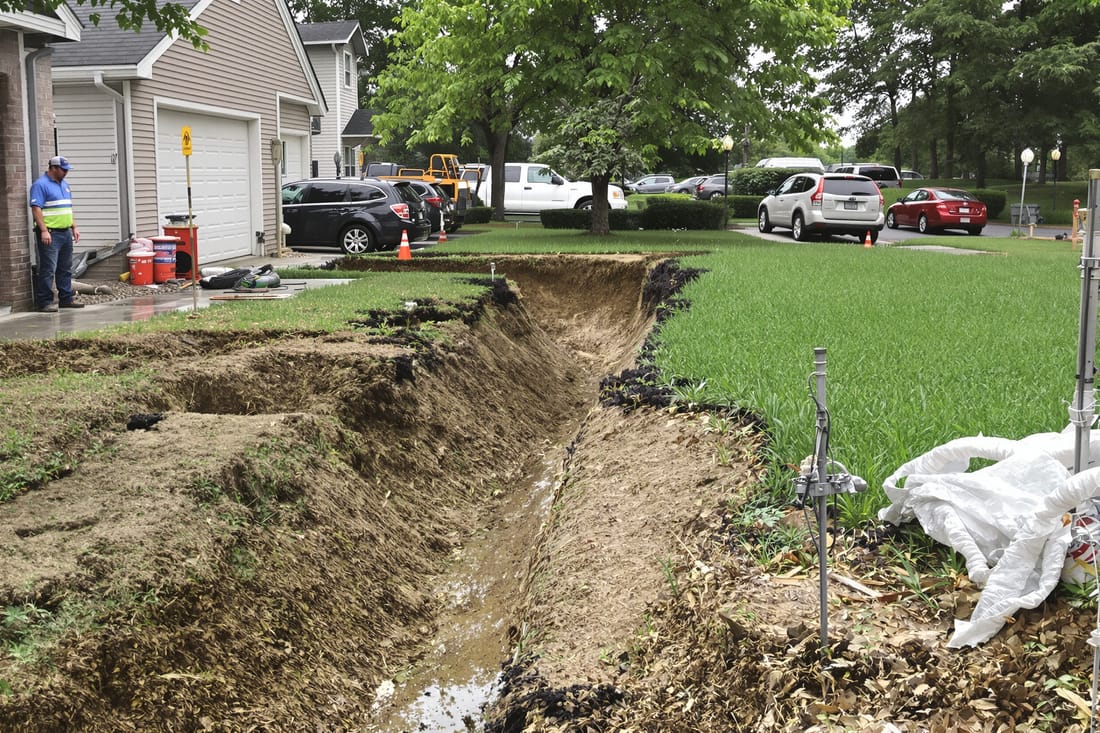
In Wake County, pipeline routes often cut through clay-heavy subsoils, creek crossings, and existing neighborhoods with strict erosion control rules. If the corridor is not stabilized correctly, you can end up with washed-out trenches, exposed pipe, safety hazards, and violation notices from inspectors. Our approach is built around local slopes, soil types, and the requirements used by Raleigh, NCDOT, and utility inspectors.
We handle new construction corridors, repairs to older rights of way on lines installed in the 1960s through the 1990s, and emergency stabilization after a washout. Whether you are a utility contractor, municipal crew, or private pipeline owner, we design each hydroseed application around the specific run of corridor, not a one-size-fits-all mix.
How Pipeline Hydroseeding Actually Works
On a pipeline or utility corridor, hydroseeding starts with surface prep. Legendary Hydroseeding Raleigh inspects the entire run with you, marks sensitive areas, checks slopes, and notes culverts, ditch lines, and stream buffers. We look for compacted subgrade, ruts from construction traffic, and any existing erosion channels that will defeat a seed application if left alone.
Next, we coordinate with the grading or pipe crew to shape and track slopes. On steeper cuts common along Raleigh’s outer beltline and in North Raleigh, we specify track-walking, water bars, and diversion ditches so the hydroseed mix is not instantly stripped away by the first thunderstorm. In low-lying areas and creek crossings, we often recommend combining hydroseeding with riprap, matting, or coir logs.
Once the surface is ready, we apply a calibrated slurry from a hydroseeder truck. The mix typically includes seed, fertilizer, tackifier (a natural glue), mulch fibers, and sometimes soil amendments for local red clay. We control pressure, nozzle pattern, and application rate so the entire corridor, slopes, and backfill over the pipe receive consistent coverage. If a segment is tight or difficult to reach inside neighborhoods or behind houses, we deploy hose runs and specialized nozzles instead of skipping those areas.
Materials, Seed Mixes, and Erosion Control Options
Pipeline hydroseeding lives or dies on the mix formula. Legendary Hydroseeding Raleigh uses blends designed for North Carolina’s climate and DOT-style performance standards. For permanent cover, we often specify turf-type tall fescue blends for sunny corridors, with Kentucky bluegrass or fine fescue where shade from existing trees is an issue, such as older subdivisions around Inside the Beltline. For a fast green-up on disturbed rights of way, we may add annual ryegrass as a nurse crop.
On critical slopes and highly visible runs, we can use bonded fiber matrix or high-performance mulch products that resist intense summer storms. For longer-term utility corridors, we can design a low-growing, low-maintenance mix that still meets inspection standards without requiring constant mowing under power lines.
Fertilizer and soil amendments are tailored to the corridor. Many pipeline trenches in this region expose acidic subsoils that do not support turf without lime or organic matter. We can add pelletized lime, slow-release fertilizer, and even microbial soil enhancers to help vegetation establish in compacted backfill. Where specifications require it, we coordinate seed mixes with project engineers and provide documentation of species, rates, and mulch type.
Cost Factors for Pipeline Hydroseeding in Raleigh
Pipeline hydroseeding pricing is more complex than a per-square-foot lawn quote. Legendary Hydroseeding Raleigh builds estimates around length and width of the corridor, access for equipment, slope, and the performance requirements in your plans.
Long, straight, easily accessed utility runs, such as rural segments east of Raleigh, are usually the most cost-effective because we can keep trucks moving and apply in continuous passes. Corridors that weave through subdivisions, cross roads, or run behind existing houses often require hose work, traffic control, or coordination with homeowners, which adds labor and time.
Steep slopes, stream buffers, and areas with strict erosion control requirements can drive costs because they often require upgraded mulch such as bonded fiber matrix, erosion control blankets, or a two-pass application. Project timing also matters. When you want an out-of-season application, for example, trying to establish cool-season turf in July, we may need different seed species, more robust mulch, or a staged approach, and we will explain the trade-offs before you commit.
We provide itemized proposals that separate mobilization, material types, and per-linear-foot or per-acre application. Utility contractors appreciate knowing exactly which segments are driving cost so they can adjust designs or schedules where possible.
Common Problems and How We Prevent Them
Pipeline and utility corridor projects have predictable failure points. One is water cutting straight down the trench line or along the toe of a slope, especially after a heavy Raleigh thunderstorm. Legendary Hydroseeding Raleigh insists on proper water management before we spray. That may mean additional check dams, proper outlet protection on culverts, or adjustments to diversion ditches.
Another common issue is seed failure on compacted backfill. Pipeline rights of way are often driven by tracked equipment, then quickly backfilled and closed. If the soil is not loosened and tracked correctly, roots cannot penetrate and the first storm can wash the seed away. We specify light scarification and tracking where required and refuse to apply over obviously unsuitable surfaces without documenting it for you.
We also watch for utility markers, manholes, and valve boxes. Coverage around these structures is notorious for bare spots because some crews avoid spraying too close. We use careful wand application around sensitive points so you do not end up with a green corridor and a ring of mud around every structure. After major storm events, we can return to inspect and touch up sections that did not hold, particularly at culverts, inlet takeoffs, and soil transitions where the corridor crosses from clay to loam or fill to native ground.
What Raleigh Utility Owners Should Know Before Hiring
If you manage or build pipelines or utility corridors around Raleigh, start thinking about hydroseeding while the project is still on paper. Legendary Hydroseeding Raleigh can review plans and help you choose seed mixes and erosion control levels that match local soils and inspection expectations, which often avoids costly redesigns late in the job.
Ask any hydroseeding contractor you consider if they have experience with linear projects, not just residential lawns. Request recent examples of corridors they have stabilized, along with references from utility or civil contractors. Make sure they can handle access issues, traffic control coordination, and documentation for inspectors, including application logs and seed lot information.
For projects that run through established areas such as North Raleigh, Garner, or Apex, be prepared for communication with adjacent property owners. We can provide door hangers, basic schedule notices, and clear explanations of what the green mulch is and how it behaves, which helps reduce complaints and call-backs.
Finally, understand that timing is critical. Trying to force permanent turf establishment in the wrong season increases your risk. We will be candid about realistic expectations for germination based on the month, and when it makes sense to use a temporary mix, a staged approach, or heavier mulch to carry the corridor safely until the optimal planting window arrives.