Home › Native and Wetland Restoration Hydroseeding
Our native restoration hydroseeding in Raleigh, NC supports wetland, stream buffer, and habitat projects. We apply native grass and forb mixes designed for moist soils and fluctuating water levels. Hydroseeding speeds installation on difficult to access slopes and channels. Partner with us for efficient seeding on your next restoration project.
Legendary Hydroseeding Raleigh provides professional native restoration hydroseeding throughout Raleigh, NC, North Carolina and the surrounding area. Our licensed, insured crew delivers safe, clean, on-time work with a free estimate before anything begins. Call 984-205-9096 or request your free quote.
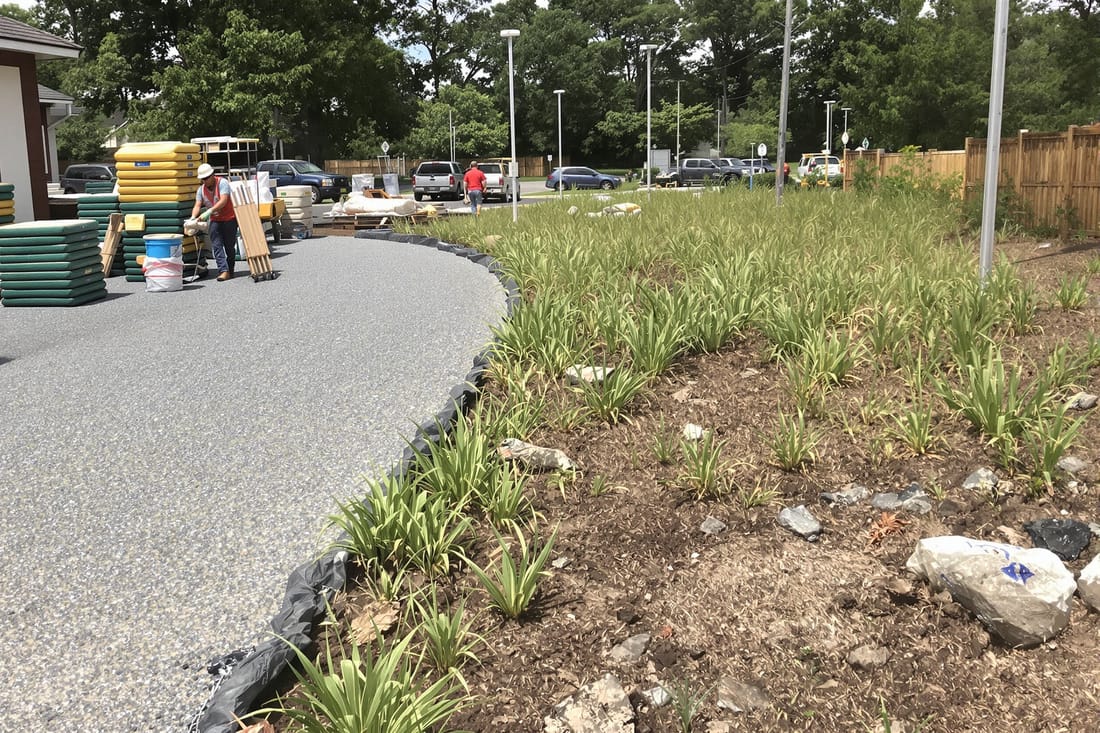
Native Restoration Hydroseeding in Raleigh, NC
Native and wetland restoration hydroseeding is very different from seeding a lawn. You are rebuilding a small ecosystem, not just putting down grass. At Legendary Hydroseeding Raleigh, we focus on native seed mixes, soil biology, and moisture management that match the specific conditions of the Triangle region and the Neuse River basin.
In practical terms, native restoration hydroseeding means we spray a slurry of water, native seed, specialized mulch, and amendments onto disturbed or degraded soil. The mix is engineered so that native grasses, sedges, rushes, wildflowers, and shrubs can establish quickly, crowd out invasives, and stabilize the site. This is especially important around stormwater ponds, streambanks, wetlands, and low-lying areas in and around Raleigh that see periodic flooding.
Our crew understands the local hydrology and soil variations from red clay uplands in north Raleigh, to sandy loams near the Neuse River, to compacted urban fill. We adjust the slurry components and seeding rates to those conditions, so you get a functional native plant community, not a patchy stand that washes away with the first thunderstorms.
How Our Native and Wetland Hydroseeding Process Works
Every native restoration hydroseeding project with Legendary Hydroseeding Raleigh starts with a site walk. We look at elevation, drainage paths, existing vegetation, nearby water bodies, and evidence of past erosion. For wetlands and shorelines, we note the normal water level, seasonal high-water mark, and how often the area is saturated.
Next comes soil and substrate prep. For restoration, this is often the most important step. We remove or chemically treat invasive species like Japanese stiltgrass, Chinese privet, and Microstegium that are common in Wake County. We roughen compacted soil with harrows or rakes to create micro pockets where seed can lodge instead of sliding off. In wetland margins, we avoid over-tilling, which can destabilize banks.
We then select a native seed mix tailored to your site goals: bank stabilization, habitat value, pollinator support, or regulatory compliance. For example, a stormwater pond shelf might include soft rush, fox sedge, lizards tail, and native wetland grasses, while an upland buffer might use broomsedge, little bluestem, black-eyed Susan, and native partridge pea. Once the design is approved, we blend the hydroseeding slurry on site and apply in controlled passes so coverage is uniform, even on steep or muddy slopes.
What Goes Into a Native Restoration Hydroseed Mix
Our native restoration hydroseed blends always start with certified seed from reputable suppliers, and when possible, we source ecotypes adapted to the Piedmont of North Carolina. We use a combination of warm-season and cool-season natives so you get both early establishment and long-term resilience.
The slurry usually includes a high-quality wood fiber mulch that holds moisture and keeps seed in place during heavy rains, which are common in central North Carolina, especially during spring storms and late summer tropical systems. For wetter zones or shorelines, we will often increase the mulch rate, or use a blend that interlocks more tightly so it resists shallow flooding.
We also include soil conditioners and tackifiers when appropriate. On compacted clay, a balanced organic amendment improves infiltration and root penetration. Tackifier, a sort of natural glue, helps the entire mat stick to slopes and banks. In some restoration projects we add mycorrhizal inoculants to jumpstart beneficial fungi that help native plants access nutrients, which is especially helpful in previously graded or fill soils around new developments in Raleigh.
Best Timing for Native and Wetland Hydroseeding in Raleigh
Central North Carolina’s climate heavily influences the success of native restoration hydroseeding. We plan projects around two main windows. The first is fall, typically late September through November. Soil temperatures are still warm enough for germination, rainfall is often more consistent, and plants put energy into root growth instead of top growth. This gives natives a strong start before our relatively mild winter.
The second window is early spring, usually late February through April, before the hottest weather and thunderstorm season hit. This is especially effective for cool-season native grasses and for sites where construction wraps up in winter. On very wet sites, we sometimes stage the work, hydroseeding the upper slopes in late winter and the wetter fringes closer to the growing season so we can match hydrology conditions.
We do not recommend starting new native restoration hydroseeding projects in peak summer in Raleigh, particularly on exposed slopes, unless there is reliable irrigation or we are addressing an emergency erosion issue. If timing is constrained by permits or construction schedules, we will modify the mix and mulch rate, and may recommend temporary annual cover species to protect the site until conditions improve for natives.
Costs, Site Challenges, and How We Handle Them
The cost of native restoration hydroseeding in Raleigh depends primarily on three factors: site access, slope and moisture conditions, and the complexity of the native seed mix. A straightforward roadside buffer with drive-up access is much less expensive per square foot than a steep, soft site behind a subdivision that requires hose runs and extra erosion control.
Native seed itself is often the largest material cost. Some wetland species and specialty wildflowers are significantly more expensive than standard turf seed. We always break out the mix components and rates so you can see where your investment is going. Heavier mulch and tackifier rates that are needed along streambanks or detention pond slopes will also increase cost but are essential to prevent failure during big rain events.
Common challenges in the Raleigh area include flashy stormwater flows that scour channels, existing invasive stands, and heavily compacted construction soils. We address these with staged hydroseeding, supplemental erosion control blankets in critical areas, and integrated weed management. For example, if we know a site has a history of Johnson grass or fescue encroachment, we plan selective post-emergent herbicide treatments timed so they do not harm the young native plants.
Permits, Compliance, and Environmental Goals
Many native and wetland restoration hydroseeding projects in and around Raleigh are tied to stormwater permits, buffer requirements, or mitigation plans. Legendary Hydroseeding Raleigh is familiar with the typical requirements of local municipalities and state agencies, including riparian buffer rules, stream stabilization standards, and stormwater control measure plantings.
While we do not act as your engineer or regulator, we can work directly from your approved plans and help flag practical issues such as unrealistic species lists for specific site conditions or seeding rates that will not perform well on steep slopes. This helps avoid failed inspections and costly rework later.
We also understand that many clients, from HOAs to commercial developers, want visible environmental benefits. Our native mixes can be designed to prioritize pollinator habitat, wildlife cover, or water quality improvements like increased infiltration and reduced sediment. We can explain which species in your mix support specific goals, such as milkweed for monarchs in upland buffers or tussock-forming sedges that trap sediment in stormwater outfalls.
What to Expect After Hydroseeding and How to Get Started
Native and wetland restoration hydroseeding does not look finished the day we spray. For the first few weeks, you will mainly see the mulch layer. Germination typically starts in 7 to 21 days depending on species and temperature. Wetland and shoreline plants may be slower to appear but will accelerate once soil warms and water levels stabilize.
We provide clear guidance on access restrictions so foot traffic and equipment do not disturb the new seedbed. On many sites in Raleigh, we recommend at least one follow-up visit to check establishment, look for erosion rills, and identify any invasive regrowth. If we see issues early, such as thin coverage in a drainage swale or mulch displacement after a big storm, we can spot-treat or reapply before the problem spreads.
To get started, we typically ask for a site plan or at least photos, along with any permit or mitigation documents, then schedule a visit. Legendary Hydroseeding Raleigh will then propose a native restoration hydroseeding plan that fits your site conditions, regulatory obligations, and long-term goals, so your wetland or buffer area turns into a stable, functioning native landscape instead of a constant maintenance headache.