Home › Highway and Roadway Hydroseeding
Our highway hydroseeding services in Raleigh, NC stabilize roadsides, medians, and embankments along busy corridors. We work within traffic control plans to quickly cover long stretches of right of way. Properly vegetated slopes reduce erosion, sediment, and maintenance needs. Contact us about hydroseeding for your highway or roadway project today.
Legendary Hydroseeding Raleigh provides professional highway hydroseeding throughout Raleigh, NC, North Carolina and the surrounding area. Our licensed, insured crew delivers safe, clean, on-time work with a free estimate before anything begins. Call 984-205-9096 or request your free quote.
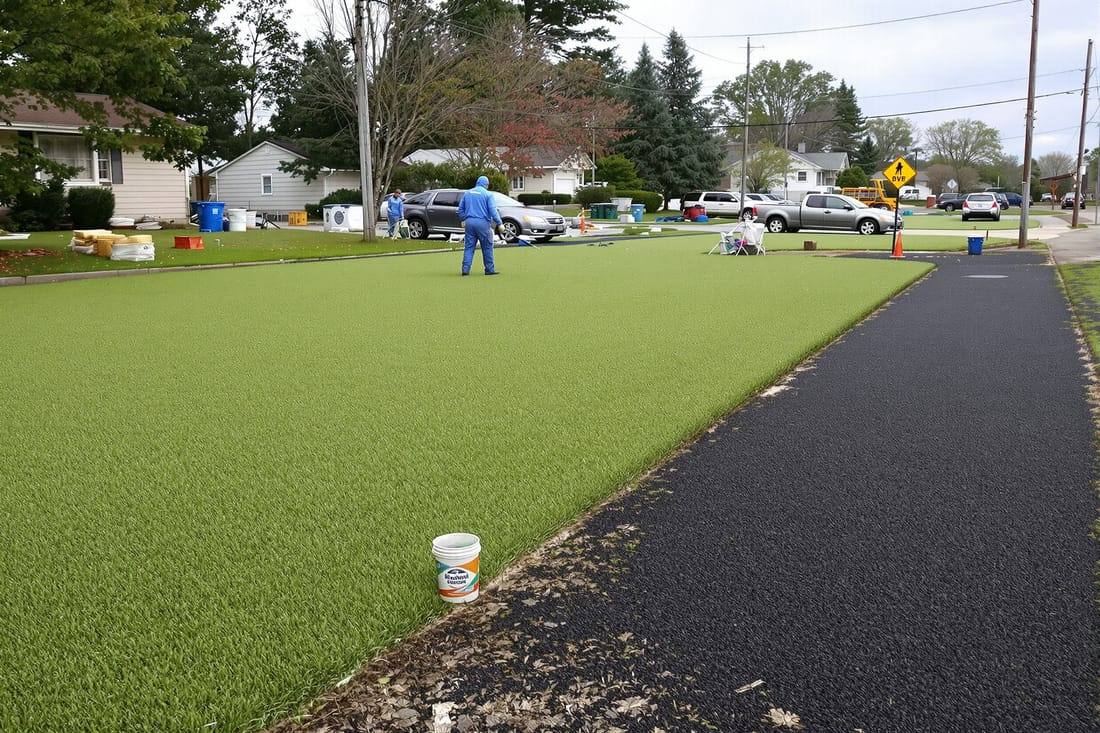
Highway hydroseeding for safer, cleaner Raleigh roadways
Highway and roadway hydroseeding is about more than just making roadsides look green. Done correctly, it stabilizes slopes, protects drivers from erosion washouts, and helps DOTs and contractors pass inspections faster. Legendary Hydroseeding Raleigh focuses specifically on the challenges around our local roads in Wake County and across central North Carolina, such as clay-heavy soils, intense summer storms, and winter temperature swings.
When you hire us for highway hydroseeding, we look at how the roadside will be used: high speed interstates with wide medians, tight urban shoulders, or steep embankments on new bypasses. Each situation calls for a different seed mix, application rate, and soil amendment plan. Our goal is to get fast, dense cover that holds the soil in place, resists ruts and channels from heavy rain, and meets NCDOT specifications or your project engineer’s requirements.
We coordinate with your construction schedule so hydroseeding does not delay paving, guardrail installation, or line striping. With the right planning, slopes can be stabilized shortly after final grading and before the first big storm, which is often the difference between a clean project and a costly erosion repair.
How our highway hydroseeding process works on real Raleigh projects
Every roadway hydroseeding job with Legendary Hydroseeding Raleigh follows a detailed field process planned around local site conditions.
1) Site walk and soil assessment: We review plans and then walk the project with your superintendent or inspector. We pay attention to slope steepness, drainage patterns, shady versus sunny stretches, culverts, and inlets. In many Raleigh areas the subsoil is red clay, which drains slowly and crusts on top. On some corridors, especially toward eastern Wake County, we see sandier shoulders that dry out quickly. These differences affect how much mulch, tackifier, and fertilizer we recommend.
2) Surface preparation: Hydroseeding is only as good as the surface it sits on. We confirm that final grading is complete and that there is a uniform, lightly compacted surface without deep ruts or large clods. If needed, we coordinate light raking or tracking on steep slopes so the mulch slurry can lock in. We also flag or protect structures like guardrails, signposts, and headwalls.
3) Custom mix selection and mixing: In the field, our crew blends water, seed, mulch, fertilizer, and tackifier in the hydroseeder tank according to the project spec. For many Raleigh highway jobs, this means a tall fescue based mix with added rye for fast establishment or warm season blends on select projects. We adjust mulch type and rate based on slope and time of year. In summer we may add more wood fiber for moisture holding. In late fall we may boost ryegrass content for quick temporary cover.
4) Application and coverage checks: We apply the slurry using both tower and hose, depending on access and slope. On steep embankments, a hose allows even coverage from the top down. We overlap passes so no bare streaks remain. The crew foreman checks color and thickness across the slope, looking for a consistent, slightly textured green blanket.
5) Final walkthrough: After application, we walk key areas with your representative to confirm that inlet protection, silt fence, and hydroseed work together. We document coverage with photos, which can be shared with inspectors or project managers as needed.
Materials, seed mixes, and erosion control options for roadways
Highway hydroseeding is not a one-size-fits-all task. Legendary Hydroseeding Raleigh builds each mix from specific components that address traffic conditions, soil type, and project timelines.
Seed choices: On most Raleigh area shoulders and medians, we use turf-type tall fescue blends that handle heat, foot traffic from maintenance crews, and roadside spray exposure. For fast early cover, particularly in early spring or fall, we may add annual ryegrass, which germinates quickly and protects the permanent grass seedlings. On some long-term DOT or county projects, native mixes, bahiagrass, or bermudagrass can be specified for low maintenance, and we follow those specs exactly.
Mulch types: The mulch is the backbone of roadside hydroseeding. We use high quality wood fiber mulch for most slopes because it clings well and holds moisture. For steeper or more erosion-prone sites, we may recommend a heavier application rate or a bonded fiber matrix product, which forms a connected mat when it dries. In high traffic zones where tire spray and runoff are a concern, this can be the difference between material staying in place or washing off.
Soil amendments and tackifiers: Central North Carolina soils often benefit from starter fertilizer to kick off early root growth. We select balanced formulations that match the approved plans and apply them through the hydroseeder. Tackifiers, essentially natural glues, are used on steeper slopes and in areas where storms are likely before germination. They help keep the mulch locked to the soil until roots take over.
Erosion control combinations: For very steep highway embankments or around culverts and ditches, hydroseeding alone may not be enough. In those cases, we often install or work alongside erosion control blankets, turf reinforcement mats, or rock riprap. Hydroseed is applied around and between these structures for a durable, vegetated system that still manages stormwater correctly.
Timing, weather, and what works best in Raleigh, North Carolina
Timing matters for highway hydroseeding, especially in the Raleigh climate. We deal with hot, humid summers, sudden thunderstorms, and occasional winter cold snaps, so we schedule and design mixes around those patterns.
Best seasons: The most reliable windows for permanent seeding along roadsides here are mid September through early November and mid February through early April. In these periods soil temperatures and rainfall usually support fast germination and root development without extreme heat stress. When a roadway job must be seeded outside those windows, we adapt with different seed blends and heavier mulch coverage.
Summer projects: Contractors often finish grading mid summer, right when fescue struggles. In these cases Legendary Hydroseeding Raleigh can install an interim cover strategy. This might involve a more drought tolerant mix, higher mulch rates, and tackifier to hold everything in place until follow up overseeding in early fall. The goal is to protect the soil and satisfy erosion control requirements, then thicken the stand at the right time of year.
Storm planning: Our area is known for short, intense rain events. Before we mobilize, we check the forecast and coordinate with your superintendent. If a major storm line is due within 24 hours, we may recommend shifting the schedule or reinforcing critical areas with extra tackifier or blankets. Hydroseeding is most successful when it has a short window to cure before being pounded by rain.
Winter work: Highway projects do not stop when temperatures drop. For late fall and winter jobs, we often use a combination of dormant seeding for permanent grasses plus a higher rate of quick cover species such as rye. The dormant seed will stay in the soil until conditions warm, while the cover crop holds the soil in the meantime.
Cost factors and how to control your highway hydroseeding budget
Highway hydroseeding costs in the Raleigh region are driven by more than just acres. Legendary Hydroseeding Raleigh is transparent about what affects your price and how we can help you stay within budget while still meeting performance and inspection requirements.
Slope and access: Steep embankments, long hose runs, or limited access behind guardrails increase labor time and sometimes material usage. Flat medians and wide, gently sloped shoulders can be covered faster with hydroseeder towers, which lowers per-acre costs.
Mix design and material choices: Simple, single-species mixes with standard mulch are less expensive than native or specialty blends, heavy bonded matrices, or double application strategies. When the project spec calls for premium materials, we help you understand why and where they are most critical. Sometimes we can phase work so only the highest risk areas receive the heaviest treatment.
Project size and mobilizations: Larger continuous areas typically cost less per acre than small scattered patches because we can reduce travel and setup time. If your project has multiple stages along a corridor, we can often group sections into fewer mobilizations to avoid repeated trip and startup charges.
Rework prevention: The most expensive hydroseeding is the job that has to be done twice. By assessing drainage, slope stability, and weather before we spray, we help limit failures that lead to regrading, re-hydroseeding, and potential penalties from inspectors. This proactive approach often saves more than any small cost savings from cutting mulch or tackifier rates.
Bid support: For general contractors and sitework firms, we provide clear, itemized proposals that line up with bid forms and NCDOT or municipal specs. This helps you compare apples to apples and avoid budget surprises once the project moves into construction.
What to know before you hire a Raleigh highway hydroseeding contractor
Before you commit to a hydroseeding partner for roadway work, there are a few key questions that can save time and trouble during construction. Legendary Hydroseeding Raleigh encourages you to ask these questions of us and any other contractor you consider.
Experience with DOT and municipal work: Highway hydroseeding is different from residential lawns. You want a contractor that understands NCDOT specs, local county requirements, erosion and sediment control inspections, and safety protocols for working near active traffic. Ask for recent roadway or interchange projects in or around Raleigh and how the vegetation performed through the first year.
Equipment capacity and redundancy: For highway corridors, you need hydroseeding units large enough to cover significant stretches in a single mobilization and reliable backup plans if a truck has a mechanical issue. We maintain well serviced hydroseeders and keep critical spare parts on hand to avoid schedule slips.
Local seed and material sourcing: Roadside performance improves when mixes are built from regionally appropriate seed and mulch, not generic blends from far outside the Southeast. We work with local and regional suppliers so that seed varieties have been proven in the Piedmont climate and delivery times match construction schedules.
Communication and documentation: Inspections are central to roadway projects. We provide application dates, areas covered, and product information that you can pass directly to inspectors. If the engineer or inspector requests adjustments, we respond quickly and document any changes for your records.
If you are planning a new highway, widening, or major roadway improvement in or around Raleigh, NC, Legendary Hydroseeding Raleigh can help you design a roadside stabilization plan that fits your schedule, meets specs, and stands up to our local weather.