Home › Erosion Control Blankets and Matting
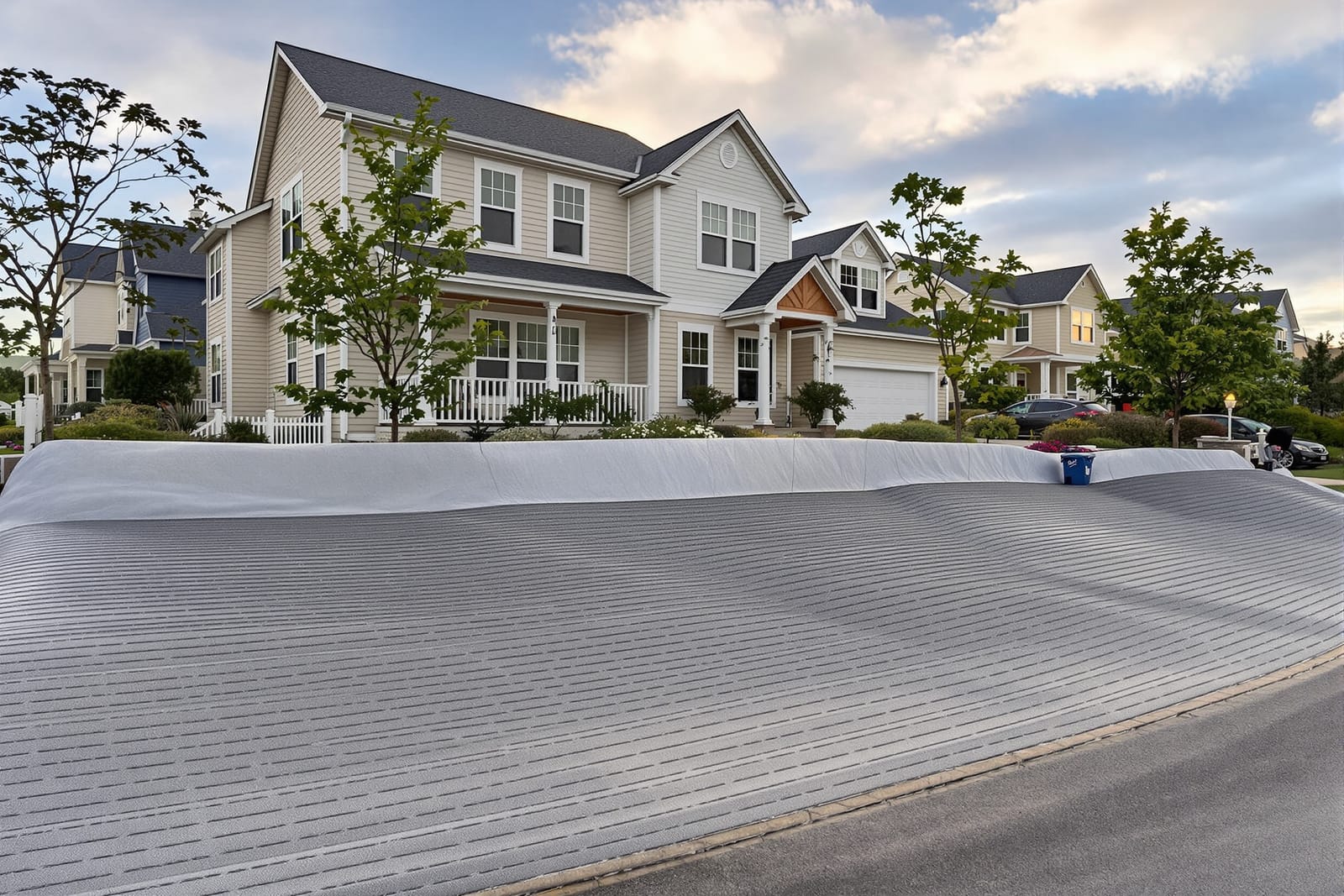
We install erosion control blankets in Raleigh, NC to secure steep slopes, ditches, and bare areas until vegetation is established. Our team pairs matting with hydroseeding for maximum protection against washouts and sediment movement. Options include straw, coir, and reinforced blankets tailored to your site. Schedule an erosion control blanket and matting evaluation today.
Legendary Hydroseeding Raleigh provides professional erosion control blankets throughout Raleigh, NC, North Carolina and the surrounding area. Our licensed, insured crew delivers safe, clean, on-time work with a free estimate before anything begins. Call 984-205-9096 or request your free quote.
Erosion Control Blankets for Raleigh Slopes and New Lawns
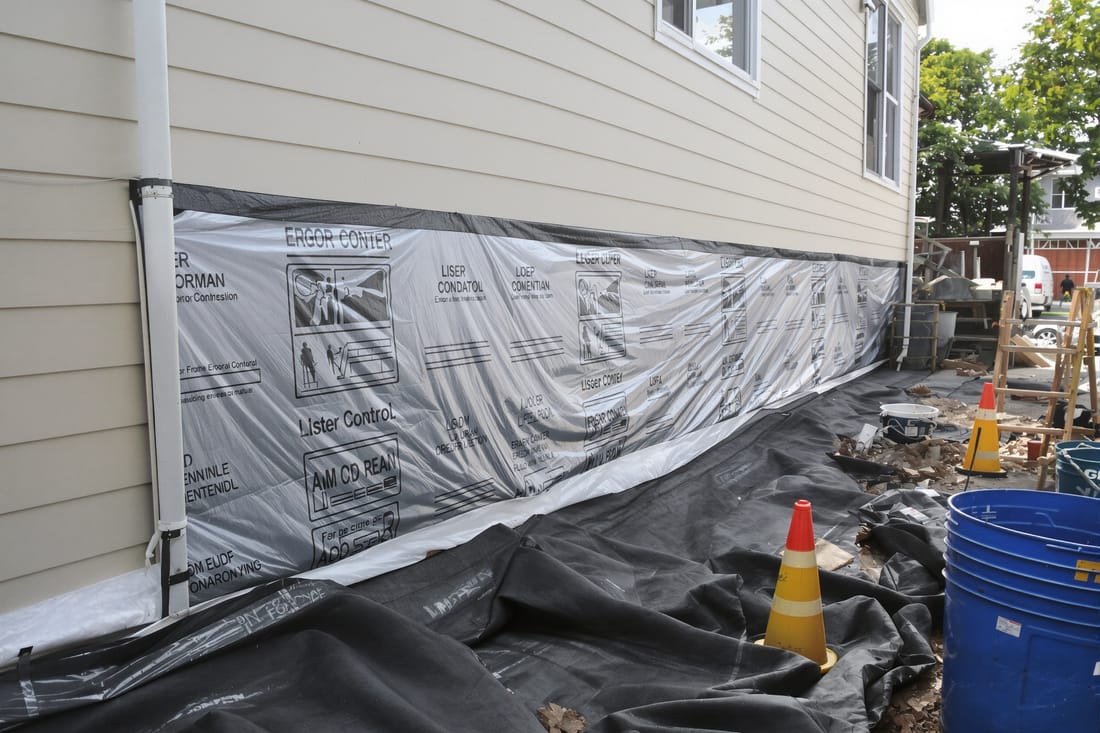
Erosion control blankets are a fast, reliable way to keep your soil in place while grass or groundcover establishes, especially on the clay-heavy slopes common around Raleigh. At Legendary Hydroseeding Raleigh, we use blankets and matting to protect new seed from washing out during our frequent thunderstorms and to stabilize bare areas on both residential and commercial sites.
On steep backyards in North Raleigh, roadside ditches in Garner, and new construction pads in Knightdale, we install blankets that physically pin the soil down, absorb some of the impact of rainfall, and slow surface water so it can soak in instead of cutting ruts. This matters a lot in neighborhoods with freshly graded red clay where the first few storms can undo weeks of site work.
Our team focuses on matching the blanket type to the site conditions. A gentle slope behind a 1990s brick home in Cary may only need a short term straw blanket to protect new turf. A steep embankment behind a new townhome building with poor access might need a longer lasting coconut blanket combined with hydroseeding. By pairing the blanket with the right seed mix and soil prep, we help your property green up faster while protecting nearby driveways, foundations, and storm drains from muddy runoff.
Our On-Site Evaluation and Planning Process
Every erosion control blanket job in the Raleigh area starts with a site visit. We walk the property with you, looking at slope angle, soil type, drainage paths, and how water currently moves during heavy rain. In Wake County we see a mix of compacted fill dirt on newer construction and older, more friable topsoil in established neighborhoods, and each responds differently to stormwater.
We take note of priorities. For some homeowners, the main concern is keeping mud out of a backyard pool or patio. For HOAs, the biggest issue might be stabilizing a long community slope that is washing onto sidewalks. For builders, the goal is staying compliant with City of Raleigh and NCDOT erosion control expectations around new driveways and culverts.
Based on what we see, Legendary Hydroseeding Raleigh recommends a combination of blanket type, seeding, and any needed grading tweaks to redirect water. We also discuss access for our crew and equipment, since some backyards in older inside-the-beltline Raleigh neighborhoods are narrow and gated, which affects how we stage materials and what installation methods we use.
Material Options: Straw, Coconut, and Synthetic Matting
Not every erosion control blanket is the same, and material choice has a real impact on both cost and performance. We primarily work with three categories: straw blankets, coconut (coir) blankets, and synthetic or high performance turf reinforcement mats.
Straw blankets are economical and well suited for many Raleigh lawns with mild to moderate slopes. These biodegradable rolls have straw stitched between lightweight nets. They usually last one season, long enough for grass to root, then they break down. They are a solid choice around new single family homes where you simply need to protect a new lawn during the first few storms.
Coconut fiber blankets are denser and more durable. We recommend coir on steeper slopes, shaded banks along creeks, or areas where you want a few years of protection while deeper roots take hold. Around stormwater ponds in subdivisions or on long drainage channels, coconut gives more resistance to flowing water than straw.
Synthetic or composite mats are used where water velocity is high or long term reinforcement is needed, such as commercial retention basins, culvert outlets, or heavily sloped road embankments. They often get combined with topsoil and hydroseed to create a reinforced vegetated surface. These cost more per square foot and are usually specified for problem areas or engineering-driven projects.
How Installation Works, Step by Step
Once you approve the plan, Legendary Hydroseeding Raleigh schedules your installation. Proper preparation is crucial, since a blanket will only work as well as the soil and grading under it. First we clear debris, sticks, and large clods. If the slope is rutted, we lightly regrade to smooth it out and make sure water flows in a predictable path instead of meandering and undercutting the blanket edges.
Next we address the soil. On Raleigh red clay, we often roughen or scarify the surface so seed and roots can grab. If we are combining blankets with hydroseeding, we apply the seed and mulch at the correct rate before the blanket is laid so the seed sits directly on the soil, not on top of the material.
We then roll out the erosion control blankets downslope in the direction of water flow. Overlaps are critical. We typically overlap 4 to 6 inches at seams and follow manufacturer guidance for slope and channel installations. At the top of each slope we create an anchor trench, a shallow slot where the blanket edge is buried and stapled so water cannot get under the fabric.
Finally, we secure the blanket with biodegradable or metal staples (also called pins), spaced according to slope steepness and local conditions. On mild lawns we may staple every 3 to 4 feet. On steeper or wind exposed banks we tighten that spacing. We pay special attention along edges, overlaps, and at the bottom of the slope where water might concentrate.
Cost Factors for Erosion Control Blankets in Raleigh
Homeowners often ask why erosion control blanket pricing can vary from one property to another. The main drivers are size of the area, slope severity, material type, and how difficult the site is to access.
Steeper slopes require closer staple spacing, more anchor trenches, and sometimes heavier blankets. A small gently sloped backyard in Apex may cost less per square foot than a similar sized but steeper bank behind a basement walkout in Wake Forest simply because of the extra labor and materials needed to secure everything.
Material choice also matters. Straw blankets are typically the most budget friendly option and work well for many residential lawns. Coconut or synthetic mats cost more but are appropriate where water is moving faster, such as along roadside ditches or outfalls. During our estimate, Legendary Hydroseeding Raleigh will break down where the cost is coming from and, when possible, show you a couple of options so you can balance budget and performance.
Access is another factor many people do not anticipate. In some older Raleigh neighborhoods, bringing rolls and staplers through a narrow side yard or around retaining walls adds time. In newer subdivisions with wide side setbacks, we can often stage materials and move faster, which helps control costs.
Common Problems We Fix and How We Prevent Them
We are often called in after a DIY attempt or a rushed installation has failed. The most common issues we see are blankets that have been installed over ruts or rocks, seams that are not overlapped, and edges that were never properly anchored, all of which let water sneak underneath and lift the blanket.
Another frequent problem around Raleigh is blankets placed on very compacted clay without any soil preparation. In that case, even if the material stays put, seed may struggle to germinate because there is no loose top layer for roots to enter. The result is spotty vegetation and continued erosion in bare patches.
Legendary Hydroseeding Raleigh focuses on prevention. We shape the slope so water follows a predictable path, we terminate blankets into existing hard edges or anchor trenches, and we adjust installation methods when storms are expected soon after work. If heavy rain does cause localized damage, we can patch specific sections, resecure staples, and reseed as needed rather than starting over.
We also pay attention to how blankets interact with nearby structures. Around driveway edges, sidewalks, and foundation walls, we tuck or cut the material so there are no loose flaps that catch mower decks or foot traffic once the area is in use.
What Raleigh Property Owners Should Know Before Hiring
Before you choose someone to install erosion control blankets, it helps to clarify your goals and ask a few specific questions. Decide whether your primary objective is a quick temporary fix for a building inspection, a long term solution for a troublesome slope, or a combination of erosion control and lawn establishment. This will guide the material and installation choices.
Ask any contractor how they evaluate slope and soil conditions, and request that they walk the site with you. Make sure they explain how water will move after the blankets are installed. In the Raleigh area, with our mix of heavy summer downpours and occasional winter storms, you want a solution that accounts for both high intensity rainfall and slower multi-day events.
Get clarity on what is included: soil preparation, seeding method, type of blanket, and how repairs are handled if an early storm causes failure. Legendary Hydroseeding Raleigh provides this detail up front and offers ongoing guidance on watering and mowing so the vegetation under the blankets has the best chance to establish.
Finally, consider how erosion control ties into the rest of your landscape. Stabilizing one bare slope may create opportunities for future planting beds, pathways, or play areas once the grass is established. Starting with a thoughtful erosion control blanket plan today can save you money on drainage fixes and cleanup in the years ahead.