Home › Dust Control and Soil Stabilization
We provide dust control hydroseeding in Raleigh, NC using specialized hydromulch and tackifiers for temporary soil stabilization. Our applications reduce airborne dust on construction sites, laydown yards, and stockpiles without the cost of paving. These treatments also limit erosion until permanent measures are installed. Request a dust control and soil stabilization quote today.
Legendary Hydroseeding Raleigh provides professional dust control hydroseeding throughout Raleigh, NC, North Carolina and the surrounding area. Our licensed, insured crew delivers safe, clean, on-time work with a free estimate before anything begins. Call 984-205-9096 or request your free quote.
Targeted dust control hydroseeding for Raleigh sites
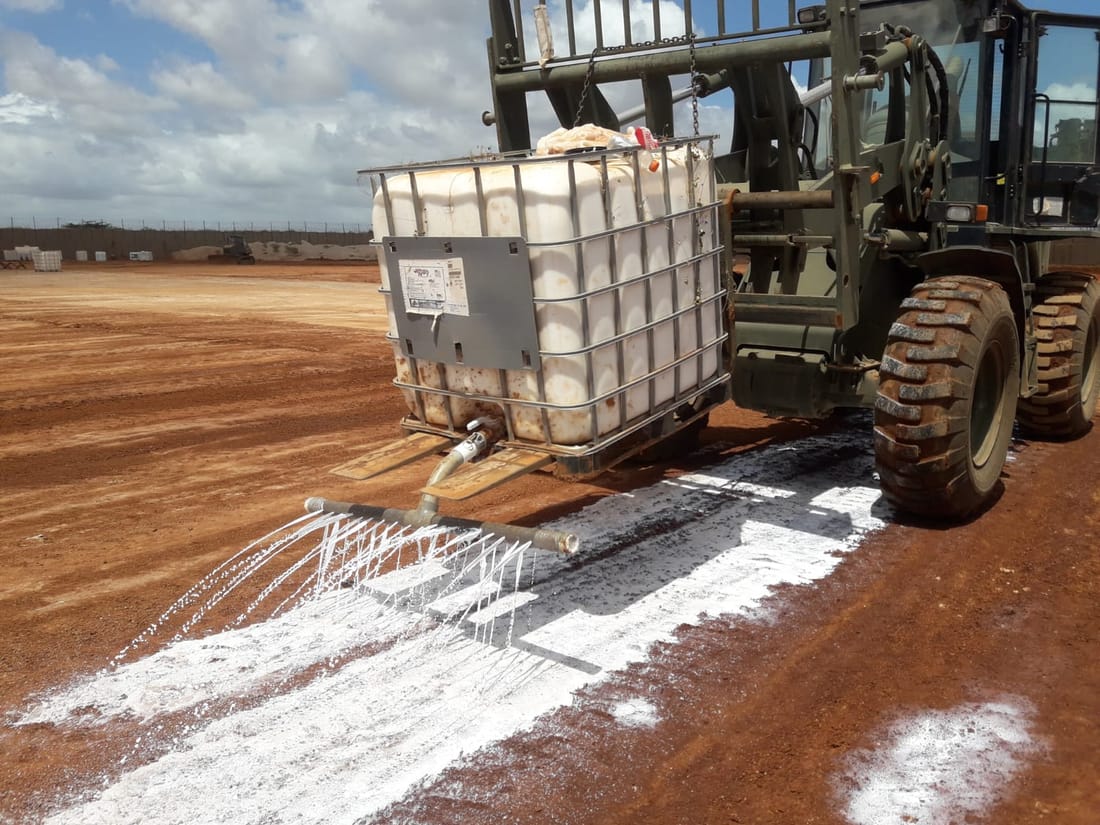
Dust control in the Raleigh area is not just about keeping surfaces damp. With our frequent summer thunderstorms, long dry spells, and clay-heavy soils, you need a system that locks the surface in place and survives real weather. At Legendary Hydroseeding Raleigh, we use dust control hydroseeding and hydromulch blends to bind the top layer of soil, reduce wind erosion, and keep particles out of the air and nearby storm drains.
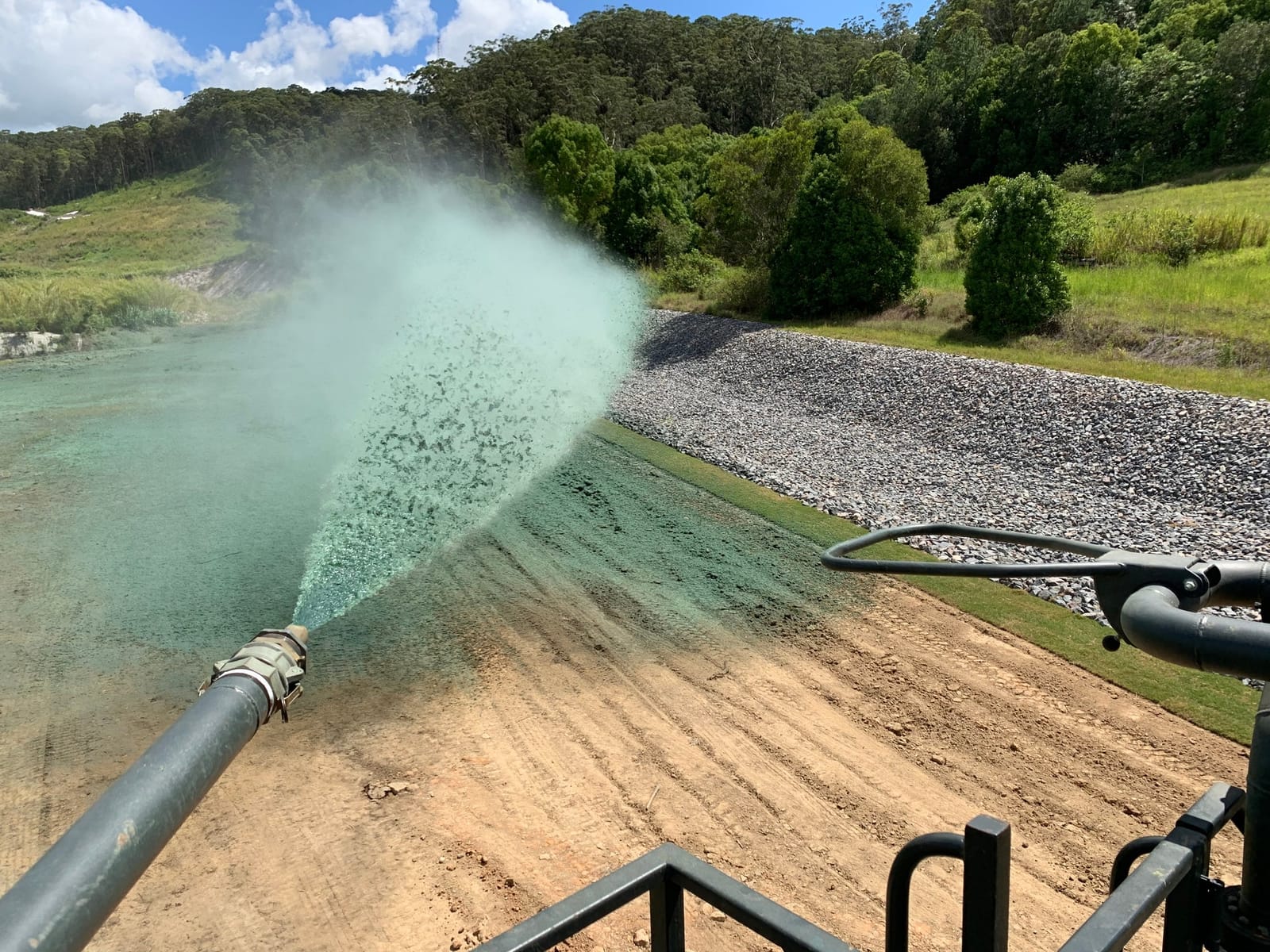
Instead of relying on water trucks alone, we spray a slurry of water, fibers, binders, and sometimes seed across exposed soil. Once cured, this application forms a breathable crust that holds fines and aggregates together. On active construction sites, unpaved roadways, stockpiles, and recently graded slopes, this approach reduces dust migration significantly while still allowing later grading or permanent vegetation when it is time.
Our systems are designed specifically for Piedmont soils and the Raleigh climate, which includes humid summers, occasional tropical remnants, and freeze-thaw cycles in winter. We select products and application rates that can withstand both high UV exposure and sudden downpours, instead of failing as soon as it rains hard or dries out for a week.
How our dust control hydroseeding process works
Every dust control hydroseeding project begins with a site walk. We identify dust sources, wind exposure, soil type, slopes, and traffic patterns. A flat equipment yard off Glenwood Avenue will need a different approach than a long utility trench near a residential neighborhood. We photograph problem areas, measure square footage, and look for drainage channels and sensitive receptors such as nearby homes, parking lots, or waterways.
Next, we choose the right hydromulch and binder system. For temporary dust control on active construction pads, we often use a wood or blended fiber mulch with a tackifier that creates a cross-linked “web” on the surface. On steep slopes or long-term stockpiles, we may specify a heavier bonded fiber matrix that forms a more durable crust. If permanent vegetation is part of the plan, we incorporate a seed mix tailored to the specific time of year and local conditions.
During application, our hydroseeding trucks mix clean water, fiber mulch, binders, and any additives in the tank. Technicians spray the slurry under pressure from the truck or with long hose runs to reach difficult areas. We adjust nozzle type and pressure so the material coats the soil without displacing it, which is especially important on loose fill and freshly graded slopes common in new Raleigh subdivisions.
After application, the surface cures as water evaporates. In summer, this can happen quickly, so we time our work to avoid high winds during curing. On critical sites, we schedule follow-up inspections to confirm coverage and check for any breaks caused by traffic, equipment, or heavy rain.
Soil stabilization solutions tailored to North Carolina conditions
Dust control and soil stabilization often go together in Raleigh, where clayey subsoils and imported fill can turn to slippery mud when wet and powdery dust when dry. Legendary Hydroseeding Raleigh designs treatments based on what is in your ground and how long the stabilization must last.
For short-term stabilization, such as keeping a site compliant until building begins, we use hydromulch and tackifiers that knit the surface together without permanently altering the soil. For longer-term slope stabilization along road cuts, detention ponds, and utility corridors, we may specify engineered matrix products that create a semi-rigid blanket firmly attached to the soil.
When the goal is to transition to permanent vegetation, we match seed species to both the season and the microclimate. For example, in Raleigh we use different seed blends on sunny south-facing cut slopes than on shaded north-facing embankments. Cool-season grasses might be used for fall and winter work, while warm-season species are preferable for late spring and summer, giving roots time to establish before the next hurricane season.
We also consider how stormwater flows across your site. Areas that receive concentrated runoff may require higher application rates or additional erosion control measures such as check dams or wattles. By pairing dust control hydroseeding with thoughtful drainage planning, we reduce both airborne dust and sediment-laden runoff.
Materials and design options for dust control hydroseeding
Not every dust problem needs the same material. Our Raleigh clients usually choose from three main categories of dust control hydroseeding treatments, each with specific costs and performance characteristics.
Basic hydromulch with tackifier is appropriate for flat areas with moderate wind and low traffic, such as staging areas that will remain undisturbed for a few weeks. It is the most economical option and performs well in mild weather. We adjust the mix to account for hotter and drier summer conditions, increasing fiber and binder content when needed.
Bonded fiber matrix systems provide stronger stabilization and are better for slopes, windy sites, and longer durations. These products create a three-dimensional mat that resists both wind and sheet flow from heavy rains, which are common during summer thunderstorms in Wake County. They cost more upfront but can prevent repeated touch-ups.
For critical sites near air intakes, sensitive neighbors, or water bodies, we can incorporate specialty polymers or dust palliatives into the slurry. These materials enhance crust strength and longevity, especially where reapplication would be difficult. Where there is a plan to eventually pave or regrade, we select products that can be easily broken up and removed or incorporated during final grading.
We explain each option in terms of expected lifespan, compatibility with future work, and maintenance implications so you can select the best fit for your schedule and risk tolerance.
What drives cost for dust control and soil stabilization
Costs for dust control hydroseeding in Raleigh depend on several practical factors, not just square footage. During our estimate, Legendary Hydroseeding Raleigh evaluates site access first. A site where we can park trucks close to the work area will be more economical than one that requires long hose runs over obstacles or steep ground.
The selected material system has a major impact on price. Basic hydromulch with tackifier requires less material per acre and is faster to apply, while bonded fiber matrices and high-strength binders increase material and labor cost but can reduce the need for repeat visits. Steeper slopes and highly erodible soils usually push us toward more robust systems.
Project timing also matters. If you request emergency dust control after neighbors file complaints or regulators visit, we may need to mobilize quickly, sometimes with off-hours or weekend work. Planned projects scheduled ahead of grading or utility work often qualify for more favorable pricing since we can coordinate with other jobs.
Finally, expectations for inspection and maintenance influence cost. Some Raleigh projects tied to NPDES permits or Department of Transportation work require scheduled inspections and documented repairs. We can structure service to include these follow-ups or provide a one-time application for your own crew to monitor.
Common issues on Raleigh sites and how we handle them
Local site conditions create predictable challenges that we plan for. The red clay common in Wake County can form a hard crust when dry, then become extremely slick when wet. If we hydroseed onto clay that is too compacted and polished, the material may not bond correctly. To address this, we recommend light surface scarification before application when possible, so the mulch has something to grip.
On highly active job sites, equipment may travel over treated areas sooner than ideal. To reduce damage, we coordinate with your superintendent to sequence work, treating areas that can remain undisturbed first and using more durable materials where vehicle crossings are unavoidable. If heavy traffic breaks up the crust, we can spot-treat ruts instead of recoating the entire area.
Sudden summer thunderstorms are another local concern. If a storm is forecast shortly after application, we may adjust schedules or increase binder rates on critical slopes to resist early wash-off. If rainfall does cause partial failure, our crews can return to repair only the affected zones, limiting extra cost.
We also pay attention to neighbors and public perception. Dust complaints often arise before project owners realize there is an issue. When we are called in after complaints have started, we focus first on the highest impact areas such as haul roads, site entrances, and stockpiles facing residential streets, in order to demonstrate rapid improvement to both neighbors and inspectors.
What Raleigh property owners should know before hiring
Before you select a contractor for dust control hydroseeding, there are a few questions that will protect your schedule and budget. Ask about specific experience with dust control and soil stabilization, not just lawn hydroseeding. The techniques, materials, and performance requirements are very different. Legendary Hydroseeding Raleigh has dedicated dust control crews who work regularly on commercial, industrial, and infrastructure projects throughout the Triangle.
Clarify whether the proposed treatment is compatible with your future plans for the site. If you will be paving, regrading, or installing permanent landscaping, we choose products that support that path, for example, systems that break up easily during final grading or that provide a seed bed for long-term vegetation.
Timing is critical in our climate. In summer, midday applications can dry faster than ideal, while late-day applications ahead of thunderstorms risk wash-off. We schedule work around realistic weather windows as much as possible, and we will tell you when waiting a day is in your best interest. This transparency helps avoid wasted applications and surprise costs.
Finally, make sure you understand what level of performance is realistic. A properly designed dust control hydroseeding system will drastically reduce dust, but no surface is indestructible under constant heavy traffic or extreme weather. We discuss maintenance expectations in advance so your site team knows when minor touch-ups are needed and when the original application is still performing as intended.