Home › Commercial Hydroseeding
Our commercial hydroseeding in Raleigh, NC delivers fast, economical coverage for large sites. We work with contractors, developers, and municipalities on projects from office parks to infrastructure corridors. With high capacity equipment and experienced crews, we stabilize soil quickly and meet project specifications. Request a commercial hydroseeding bid or site visit today.
Legendary Hydroseeding Raleigh provides professional commercial hydroseeding throughout Raleigh, NC, North Carolina and the surrounding area. Our licensed, insured crew delivers safe, clean, on-time work with a free estimate before anything begins. Call 984-205-9096 or request your free quote.
Commercial hydroseeding for Raleigh properties that must perform
Legendary Hydroseeding Raleigh specializes in commercial hydroseeding that is designed for real-world performance on construction sites, business parks, DOT projects, and large multi-family developments across the Raleigh area. Our work is built around the specific erosion, drainage, and soil conditions you see in Wake County clay, not a one-size-fits-all seed and mulch mix.
We focus on three priorities for commercial clients: fast, predictable establishment, erosion control that satisfies inspectors, and a clean, professional look for tenants and visitors. Whether you are under a tight CO deadline, trying to keep sediment out of a Raleigh stormwater device, or stabilizing a steep cut slope along I-440, we tailor the hydroseeding process to the site and to your schedule.
Our crews are used to coordinating with general contractors, sitework teams, and project managers. We show up with the right equipment, insurance, and documentation, so you can keep your project moving and know the seeding package will pass local review.
How commercial hydroseeding actually works on your site
Commercial hydroseeding uses specialized equipment to apply a slurry of seed, fertilizer, mulch, and soil amendments as one uniform layer across prepared soil. At Legendary Hydroseeding Raleigh, we start by reviewing your civil plans, landscape sheets, and any NCDEQ or City of Raleigh requirements, then match a seed mix and application rate to those specs and to what we know works locally.
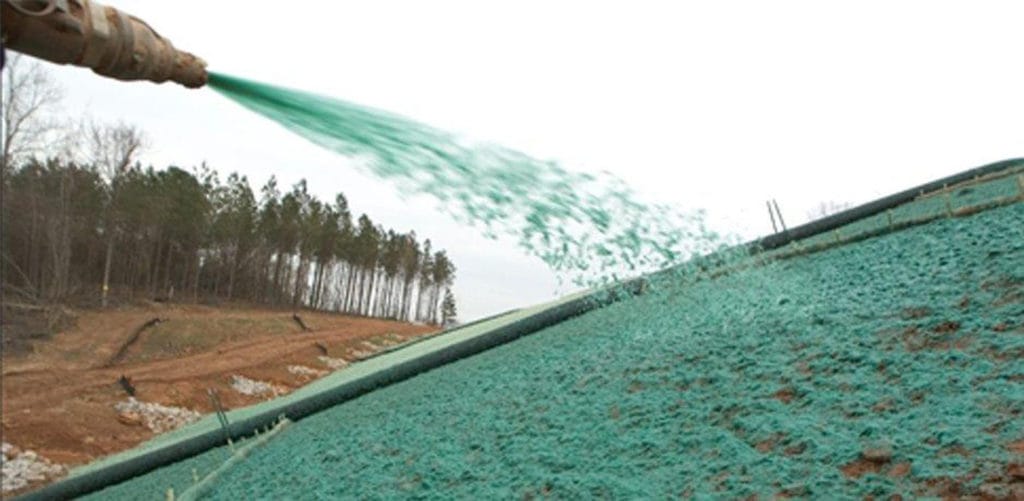
Our hydroseeder truck has an agitated tank where we blend water, a selected seed mix, starter fertilizer, a tackifier (binding agent), and fiber mulch. Once mixed, the slurry is pumped through hoses or a turret to coat the soil surface evenly. The mulch fibers lock together as they dry, which protects the seed from wind, rain impact, and birds while holding moisture around each seed.
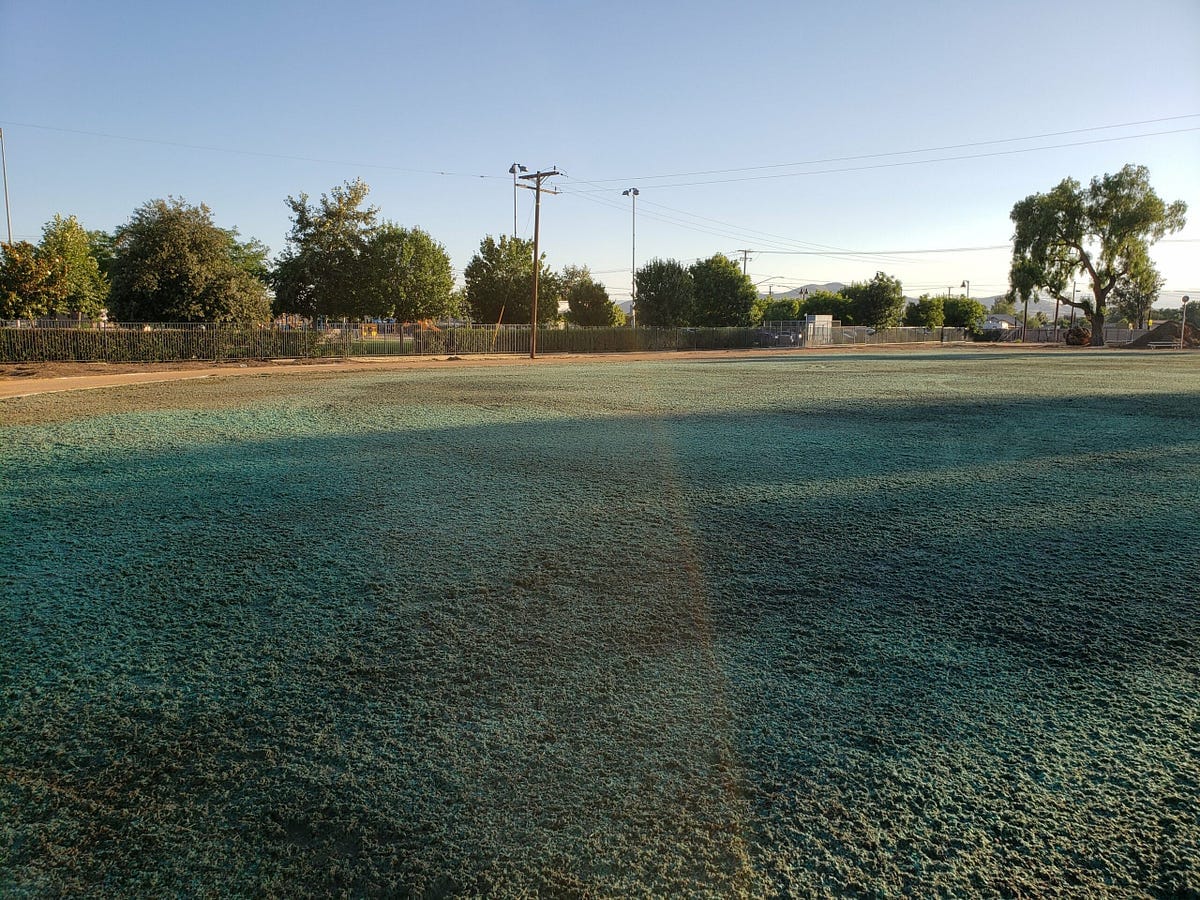
For most commercial projects we use a two-step process. First we apply a heavier fertilizer and soil amendment pass where needed, then a calibrated slurry application that targets the required pounds of pure live seed (PLS) per acre. On slopes or high-visibility entrance features we often increase mulch rates or incorporate bonded fiber matrices to enhance erosion control and appearance. The result is a uniform green mat that begins to germinate within 5 to 14 days in the growing season.
Site assessment and preparation specific to Raleigh conditions
The success of commercial hydroseeding in Raleigh depends on how well the site is prepared before we ever start the machine. Our team walks the property, looking at soil type, compaction, slope steepness, drainage patterns, and any nearby storm inlets or bioretention areas that must be protected.
Raleigh construction sites typically expose dense red or brown Piedmont clay. If the surface is overly compacted from heavy equipment, roots struggle even when the seed is correct. We recommend a final grading with a smooth finish, removal of rocks and debris larger than about 2 inches, and, where possible, light scarifying or raking to create a roughened surface that gives the slurry something to grab onto.
We also flag hardscape edges, drains, and structures that should not receive slurry. On steep slopes or around detention ponds we may recommend installing silt fence, wattles, or coir logs ahead of hydroseeding so that any initial runoff is contained. If the soil pH is low, which is common on previously wooded sites around Raleigh, we can incorporate lime into the preparation or mix, so the new turf does not fight acidity from day one.
Seed mixes, mulch types, and design options for commercial sites
One of the main advantages of working with Legendary Hydroseeding Raleigh is our ability to customize seed and mulch packages to the exact function of each area on your plan. For high-traffic lawn areas around office buildings or apartment amenity spaces, we typically recommend a tall fescue based mix with improved varieties that handle foot traffic and partial shade, supplemented with Kentucky bluegrass for density.
For temporary stabilization on construction sites or utility corridors, we often use annual ryegrass or other quick-germinating nurse crops combined with perennial species. This gives you rapid cover for erosion control and inspection sign-off, while the longer-lived grasses establish underneath for long-term stability.
On steep slopes, roadside embankments, and around stormwater features, we may specify native or deep-rooted species, higher mulch application rates, and a tackifier suited to the slope angle. We also offer different mulch systems, including wood fiber mulch for most commercial work, blended mulch for challenging slopes, and bonded fiber matrix products where specifications call for maximum erosion control. Our team can mirror your project specs or propose alternates that meet Raleigh and NCDOT standards while respecting your budget.
What drives the cost of commercial hydroseeding in Raleigh
Commercial hydroseeding costs are primarily driven by acreage, slope, access, and the materials required to meet your performance or regulatory standards. Larger open areas with easy truck access cost less per square foot, while small, broken-up areas that require lots of hose work, or sites with limited access and steep embankments, have a higher per-square-foot rate due to labor and time.
Material choices also have a significant impact. A basic temporary stabilization mix with standard wood fiber mulch will be less expensive than a perennial turf blend with higher seed rates, premium cultivars, slow-release fertilizer, lime, and bonded fiber matrix. If your project specifications call for specific brands or DOT-approved products, we source exactly what is required and price accordingly.
Timing and phasing affect pricing too. Mobilizing multiple times for small phases, often required in urban infill Raleigh projects, adds cost compared to a single large mobilization. When we quote, Legendary Hydroseeding Raleigh breaks down the estimate by area type, slope category, and materials so you understand where your budget is going and can make informed adjustments if needed.
Common problems on commercial jobs and how we prevent them
Commercial hydroseeding in North Carolina faces predictable challenges: heavy summer downpours, extended dry spells, and inspectors focused on erosion and sediment control. Legendary Hydroseeding Raleigh structures each job to minimize these risks and set realistic expectations for property managers and GCs.
Rain washouts on newly seeded slopes are common when storms hit within the first 24 to 48 hours. We reduce that risk by using appropriate mulch depth and tackifier, orienting application techniques for slope stability, and, where the design allows, combining hydroseeding with erosion control blankets or wattles on critical slopes. If damage does occur, we can quickly assess whether a touch-up hydroseed application or minor regrading is the right fix.
Another issue is poor germination because of inadequate watering or traffic on freshly seeded areas. On every commercial job we provide clear maintenance guidelines for the first 4 to 8 weeks, including minimum irrigation expectations, mowing height and timing, traffic limits, and weed management. When owners or landscape maintenance teams follow these guidelines, the turf establishes faster, looks better for tenants, and reduces the likelihood of having to rework areas later.
We also watch for specification mismatches. It is not unusual to find outdated seed mixes or unrealistic timelines in plans. Our local experience in the Raleigh market lets us flag these early, suggest alternates that still meet regulatory and aesthetic goals, and help you avoid costly change orders later in the project.
What Raleigh commercial clients should clarify before hiring
Before you commit to a commercial hydroseeding contractor, there are several questions that protect your schedule and budget. Ask whether the company has experience with projects similar in size and type to yours, such as multifamily developments, municipal parks, or DOT corridors in the Triangle. Legendary Hydroseeding Raleigh regularly works under tight construction timelines and understands submittals, insurance requirements, and safety expectations on active sites.
Confirm what seed blends and mulch types will be used and how they relate to your written specs. You should receive documentation of seed labels, application rates, and product data sheets where required. We provide this documentation with our proposals or submittals, so your design team and inspectors see exactly what will be applied.
You should also ask about scheduling flexibility and lead time. In peak seasons around Raleigh, hydroseeding windows can be tight, especially if your project must seed by a certain date for permit compliance. We communicate realistic dates, coordinate with your grading and erosion control activities, and try to group phases to reduce your cost. Finally, make sure you understand what is included in the quote in terms of touch-ups, remobilizations, and performance expectations. Our proposals spell out these details clearly, so your team knows how the hydroseeding scope fits into the bigger project plan.