Home › Landfill and Mine Reclamation Hydroseeding
We handle landfill reclamation hydroseeding in Raleigh, NC for capped cells, berms, and industrial sites. Our crews apply specialized seed mixes and mulches that perform on challenging soils and slopes. Proper vegetative cover protects caps, controls erosion, and improves appearance. Contact us about hydroseeding support for landfill or mine reclamation projects.
Legendary Hydroseeding Raleigh provides professional landfill reclamation hydroseeding throughout Raleigh, NC, North Carolina and the surrounding area. Our licensed, insured crew delivers safe, clean, on-time work with a free estimate before anything begins. Call 984-205-9096 or request your free quote.
Landfill and Mine Reclamation Hydroseeding in Raleigh, NC
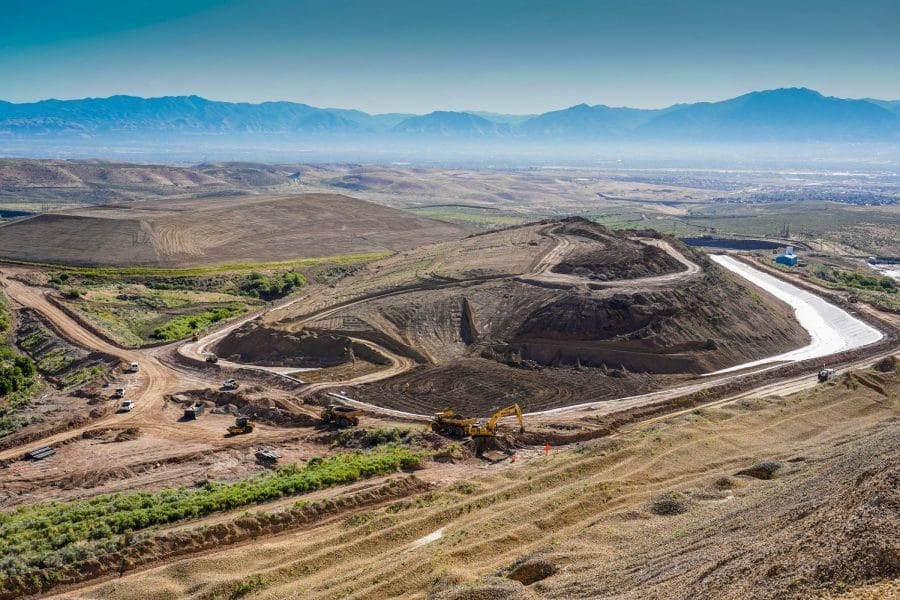
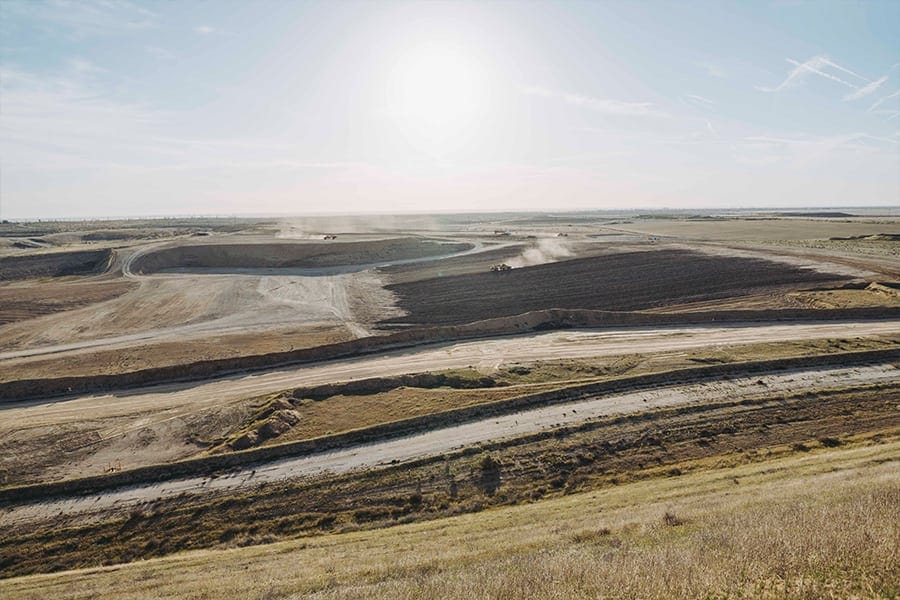
Legendary Hydroseeding Raleigh provides landfill and mine reclamation hydroseeding that is engineered for the soils, rainfall patterns, and regulatory expectations of central North Carolina. Reclaiming disturbed sites is not just about getting something green to grow. It is about stabilizing steep slopes, controlling sediment that can reach nearby creeks, and meeting closure requirements set by local and state agencies.
We work with municipal landfills, C&D sites, inactive mines, and private industrial properties in and around Raleigh. Our crews are trained to operate on challenging terrain, including steep caps and haul roads. Every project starts with a site visit so we can walk the slopes, check for seeps or erosion rills, and understand how stormwater moves across the property. This on-the-ground evaluation allows us to design a hydroseeding plan that will actually hold through a North Carolina thunderstorm, not just look good on a drawing.
How Landfill Reclamation Hydroseeding Works Step by Step
Our landfill reclamation hydroseeding process follows a clear sequence so work can be coordinated with your grading and liner contractors.
1. Site inspection and testing: We review grading plans, closure specs, and any permit conditions. Where needed, we perform basic pH tests and visual soil assessments to see if lime or extra organic matter is required. For mining sites that may have acidic spoil, this step is critical to avoid seed failure.
2. Surface preparation: Before hydroseeding, we require slopes to be final graded, compacted to spec, and free of large debris. On capped landfills we check for damage risks to the cap and request any ruts be repaired. If the soil surface is extremely smooth and crusted, we may recommend light tracking with equipment so the mulch layer keys in and resists sliding.
3. Mix design: Using your project specifications and our local experience, Legendary Hydroseeding Raleigh selects a seed mix, mulch type, fertilizer plan, and tackifier rate. For example, long term closure caps often require native or low maintenance grasses, while temporary cover on active cells may favor quick establishing annuals. We adjust component rates for steep slopes or highly erodible soils.
4. Hydroseeding application: Our high capacity hydroseeders keep material agitated so heavy wood mulches, seed, and tackifiers stay in suspension. Crews start at the top of the slope and work down, layering coverage so there are no bare streaks. On long slopes we apply in overlapping passes to reduce the chance of rilling.
5. Quality check and touch ups: After application, we inspect for thin spots, overspray on structures, and potential flow channels. If we see problem areas, such as a concave section where water will naturally concentrate, we may increase mulch rate or recommend supplemental erosion control blankets.
6. Establishment guidance: To support compliance, we give clients simple maintenance guidelines that explain realistic germination timelines for the selected seed mix, acceptable survival percentages, and what should trigger a warranty inspection if one is included in the contract.
Materials We Use for Reclamation Hydroseeding
Landfill and mine reclamation work requires heavier duty materials than standard lawn hydroseeding. Legendary Hydroseeding Raleigh uses products that are compatible with both your closure plans and our climate.
Hydraulic mulches: For most caps and spoil piles we rely on wood fiber mulch or bonded fiber matrix (BFM) products. Wood fiber mulch is excellent for moderate slopes and cost conscious jobs. BFM and flexible growth media are used where slopes are long or highly erodible. These products dry into a continuous, erosion resistant mat that can withstand intense summer storms common in the Raleigh area.
Seed mixes: We build seed blends around project goals and specifications. Typical permanent covers may include tall fescue, Kentucky 31, bermudagrass (where allowed), and native warm season grasses. For mine reclamation on poor soils, we often incorporate legumes like clover or birdsfoot trefoil to assist with nitrogen fixation. Temporary covers may use annual ryegrass or millet for fast green-up and short term stabilization.
Soil amendments: Disturbed subsoils and mine spoils around Raleigh can lack organic matter and may be compacted. We use slow release fertilizers to avoid nutrient flush into nearby streams, supplement with lime on acidic sites, and may add humic substances or organic soil conditioners where budgets allow. Every amendment is selected to improve establishment without creating long term maintenance headaches.
Tackifiers and binders: To lock mulch and seed to steep slopes, we blend in polymer or guar based tackifiers at rates adjusted for slope length and soil texture. For critical high risk areas we may recommend a two step approach, a tackified hydroseed layer combined with physical erosion control blankets on the slope face or at toe drains.
Special Considerations for Raleigh’s Climate and Site Conditions
Reclamation hydroseeding around Raleigh must account for hot summers, occasional drought, and intense storm events, along with the region’s clayey soils. Legendary Hydroseeding Raleigh schedules most long term cover work in two primary windows: early spring (February to April) and early fall (September to mid November). In these periods, soil temperatures and rainfall patterns support germination without the extreme heat stress typical in July and August.
On landfill caps built with compacted clay or geomembrane liners, we pay close attention to how thin the soil cover is. Shallow cover heats and dries quickly, so we avoid seed mixes that require prolonged soil moisture. Deep rooted species may be limited by cap design, so we coordinate with your engineer to choose plants that will not compromise the liner while still controlling erosion.
Old mine and borrow sites often have variable slopes, exposed rock, and unpredictable drainage. We identify zones that may need additional grading, riprap, or check structures to prevent gully formation before hydroseeding. In low areas that tend to stay wet, we may specify moisture tolerant grasses or forbs instead of a single uniform slope mix.
Local wildlife pressure, especially deer, can be significant on rural reclamation sites. We take that into account by avoiding species that are highly preferred browse for early establishment, and by recommending site specific protections if required for compliance.
Cost Factors for Landfill and Mine Reclamation Hydroseeding
Reclamation projects are typically priced per acre, but there are several variables that affect cost. Understanding these helps facility managers and engineers budget realistically.
Acreage and access: Larger, continuous areas are more cost effective per acre than fragmented patches. If we can place our hydroseeders close to the work area and move efficiently around the site, costs stay lower. Difficult access that requires long hose runs, limited work windows, or escorts on active landfills can increase labor time.
Slope and erosion risk: Steep, long slopes require higher mulch rates, stronger tackifiers, and sometimes advanced hydraulic growth media, all of which are more expensive than standard wood mulch. Areas that feed directly into regulated waterways or sensitive habitats may need premium systems to satisfy stormwater requirements.
Seed mix complexity: Standard conservation seed mixes are less expensive than specialized native or custom engineered blends. If your closure plan calls for a multi species, native dominant mix, we source from reputable suppliers and verify lot purity, which adds some cost but reduces the risk of rework due to failed inspections.
Soil condition and amendments: Sites with very poor or acidic soils often require additional lime, fertilizer, or organic amendments blended into the hydroseeding slurry. These materials and the extra mix time influence final pricing.
Regulatory and documentation needs: Where projects require detailed application logs, material certifications, seed tags, and as built coverage maps, we build that level of reporting into our proposal. This is especially common for publicly funded mine reclamation and municipal landfill closures.
Common Problems and How Legendary Hydroseeding Raleigh Solves Them
Landfill reclamation hydroseeding and mine site restoration have recurring challenges. Our experience in and around Raleigh helps us anticipate and manage these issues before they turn into compliance problems.
Erosion before establishment: Heavy rain shortly after seeding can cause rilling and washouts. To reduce this, we carefully choose mulch types and rates based on short term storm forecasts and slope design. On high risk projects, we will recommend staging work so the most vulnerable areas are not left exposed just before a major rain event.
Uneven germination: Variations in soil depth, compaction, or moisture can lead to patchy growth. We address this upfront by identifying thin soils and recommending either soil import, compost blending, or targeted reapplication. If subsidence or settlement occurs on landfill caps, we coordinate with your earthwork contractor for repair prior to any reseeding.
Invasive species intrusion: Disturbed soil invites invasives like sericea lespedeza and johnsongrass. While hydroseeding cannot eliminate invasives entirely, using dense, competitive cover species and quick establishing mixes helps limit open ground. We also advise clients on post establishment mowing and selective control practices that align with their closure plan.
Equipment access and safety: Slopes on landfills and mines can be hazardous if not managed correctly. Our crews follow strict access rules, work within site safety plans, and coordinate with on site managers to avoid conflicts with active operations. We use hose teams and remote spray techniques where direct machine access is not safe or permitted.
What to Expect When You Work With Legendary Hydroseeding Raleigh
From first contact to final inspection, Legendary Hydroseeding Raleigh treats landfill and mine reclamation hydroseeding as a technical service, not a generic landscaping job.
Initial consultation: We review your plans, permits, and timelines, then schedule a site walk to confirm conditions. This is where we clarify closure specifications, seed mix requirements, and any regulatory deadlines.
Written proposal and schedule: You receive a detailed scope that lists materials, application rates, estimated acreages, and timing. We coordinate with your grading and liner contractors so hydroseeding is sequenced correctly, particularly for multi phase landfill caps.
Execution: Our crews arrive with all required materials, safety gear, and documentation. A supervisor remains on site to verify coverage, communicate with your representative, and adjust field tactics if weather or site conditions change.
Post project support: After application, we are available to walk the site with inspectors or engineers if requested. We can document coverage areas, application dates, and material sources to support closure reports. If a specified warranty is part of the contract and an area fails due to material or application issues, we mobilize to correct it within an agreed window.
If you manage a landfill, mine, or industrial reclamation site in the Raleigh, NC region and need reliable, compliant stabilization, Legendary Hydroseeding Raleigh is prepared to design and execute a hydroseeding solution tailored to your property and regulatory framework.