Home › Slope, Embankment, and Retention Pond Hydroseeding
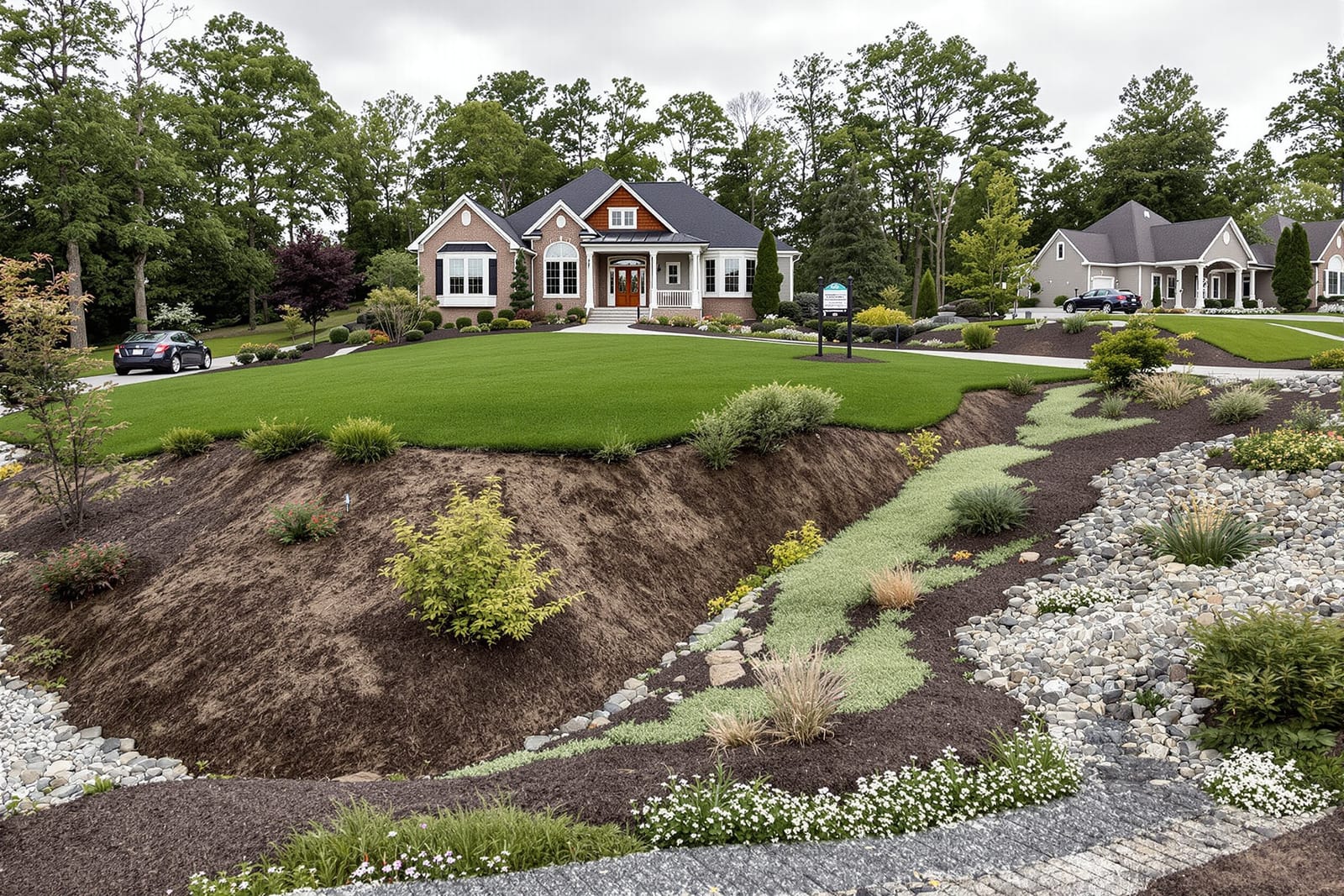
We provide commercial slope hydroseeding in Raleigh, NC for embankments, channels, and retention ponds on development and infrastructure sites. Our mixes are tailored for steep grades and fluctuating water levels, helping prevent erosion and sedimentation. From roadway tie ins to basin side slopes, we install durable vegetative covers. Request a slope and pond hydroseeding assessment for your project.
Legendary Hydroseeding Raleigh provides professional commercial slope hydroseeding throughout Raleigh, NC, North Carolina and the surrounding area. Our licensed, insured crew delivers safe, clean, on-time work with a free estimate before anything begins. Call 984-205-9096 or request your free quote.
Engineered commercial slope hydroseeding for challenging Raleigh sites
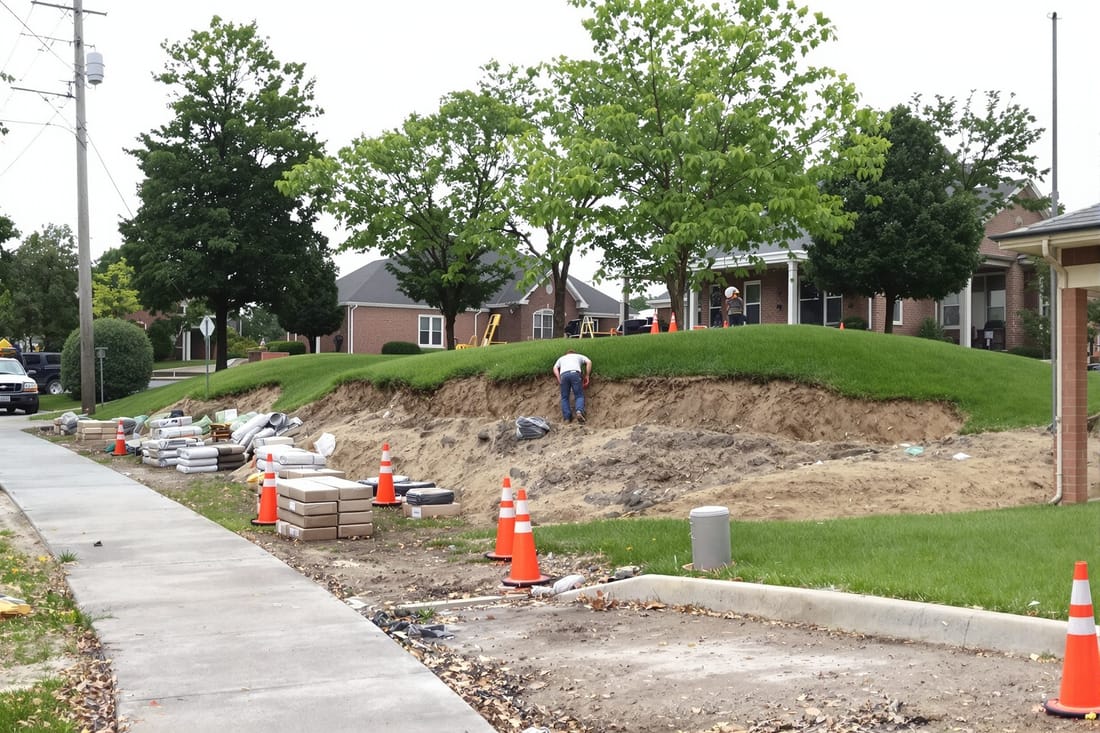
Steep slopes, highway embankments, and retention pond banks around Raleigh do not respond well to basic seeding. They need a planned system that locks soil in place, sheds water correctly, and grows a dense root mat quickly. Legendary Hydroseeding Raleigh provides engineered commercial slope hydroseeding that is designed around Piedmont clay soils, local rainfall patterns, and Wake County erosion control expectations.
We routinely stabilize DOT ramps, new subdivision road cuts, retention pond side slopes, and commercial pad sites. Before we start, we walk every slope and embankment to measure slope ratio, soil texture, compaction, and visible water paths. That tells us whether you need a standard hydroseeding mulch, cellulose and wood fiber blend, or a bonded fiber matrix for severe slopes. The goal is not just green color from the road. We focus on long term slope stability and compliance with local erosion and sediment control standards.
Because we work almost exclusively in the Raleigh area, we know how quickly an uncovered clay slope can erode during a summer thunderstorm. Our hydroseeding plans are built around the idea that the first 30 to 60 days after grading are critical. We specify seed mixes, mulch rates, and tackifiers to match that risk, then schedule work to avoid leaving freshly sprayed slopes unprotected before a major rain when possible.
Our step by step process for slope, embankment, and pond bank hydroseeding
Successful commercial slope hydroseeding starts before the tank is ever filled. Legendary Hydroseeding Raleigh begins with a site evaluation where we confirm slope percentage, access routes for our trucks and hoses, soil conditions, and where water flows in and out of the area. For retention ponds we pay close attention to normal pool elevation, high water lines, and existing structures such as inlets, outlets, and emergency spillways.
Next, we coordinate with your grading or site contractor to ensure rough grading is complete, excess rocks and debris are removed, and topsoil is placed where specified by plans. On many Raleigh projects we recommend light track-walking on steep cuts to create horizontal grooves that catch mulch and seed. If the project includes erosion control blankets or turf reinforcement mats, we schedule those to be installed before or immediately after hydroseeding, depending on slope and blanket type.
We then build a custom tank mix for your site. This usually includes region-appropriate grass seed blends, wood or blended mulch for slopes, fertilizer tailored to clay content and soil pH, and a tackifier to help the mulch bond to the soil. For very steep slopes or critical pond embankments we may use a high load bonded fiber matrix that goes on thick and cures into a breathable mat.
Our crews spray from the top of the slope downward when possible, using fan patterns that overlap to ensure full coverage and consistent application rates. For retention ponds we adjust patterns to avoid overspray into open water while still fully covering the banks up to and slightly above the expected high water line. After application we verify coverage and thickness at multiple sample points, so no thin spots are left to become erosion channels.
Local seed mixes and materials that actually work in Raleigh
Commercial slope hydroseeding in North Carolina fails quickly if the wrong plant material is used. At Legendary Hydroseeding Raleigh we select seed blends that match both your maintenance expectations and regulatory requirements in Wake County or surrounding jurisdictions. For many high visibility slopes, such as business parks or subdivision entrances, we specify fescue based mixes with nurse species that germinate fast and hold soil while the fescue thickens.
On more utilitarian highway or industrial embankments we may use a blend of tall fescue, bermuda, and native or naturalized grasses that tolerate heat, periodic drought, and low fertility. Around retention ponds we pay attention to species that can tolerate occasional wet feet but are not invasive or banned, and we avoid species that create dense thatch that can interfere with drainage structures.
Mulch selection is equally important. Raleigh area clay is slick when wet and very hard when dry. We usually recommend higher wood fiber percentages on steeper slopes because wood fibers interlock better, cling to clay surfaces, and resist washout in heavy rain. For very sensitive areas, such as pond embankments near property lines or roads, we can specify a bonded fiber matrix with colored indicators that make visual inspection after storms straightforward.
Fertilizer and soil amendments are chosen based on soil tests when available, or on our experience with local subsoils when test data is not provided. We often include lime in the mix for newly cut red clay slopes because the pH is typically low, which slows grass establishment if not corrected.
Retention pond hydroseeding, shorelines, and access challenges
Retention and detention ponds in the Raleigh region are monitored closely because they control downstream flooding and water quality. Bare pond banks are a common reason for failed punch lists and delayed COs. Legendary Hydroseeding Raleigh designs hydroseeding plans that help developers close out projects faster and stay in compliance with city and county stormwater standards.
We evaluate how maintenance crews will reach the pond for mowing and inspection. If a permanent maintenance access road is present, we protect that route while still stabilizing side slopes. If the only access is across new landscaping, we plan our hose runs and equipment placement to minimize disturbance. For ponds that already hold water, we may stage equipment at the dam or on the high side and spray remotely across the basin with extended hoses and high pressure nozzles.
Because pond water levels can change quickly after a storm, we design a vegetation zone that anticipates some fluctuation. We typically hydroseed from several feet below the normal waterline (if accessible) to well above the high water mark, so there is always vegetated cover even when levels drop. On emergency spillways and around inlets we often supplement hydroseeding with stone or mats where specified by the engineer, then tie the hydroseeded areas into those hard armor sections so there are no bare soil transitions.
We also pay close attention to local HOA expectations for finished appearance. Many Raleigh HOAs prefer a manicured look around neighborhood ponds, which affects species choice and slope design. We provide guidance on what will both satisfy HOA aesthetics and stand up to periodic inundation and foot traffic.
Costs, timelines, and what drives your commercial slope hydroseeding price
Commercial slope hydroseeding is not priced like flat lawn seeding. At Legendary Hydroseeding Raleigh, we base your proposal on a few key drivers so you understand exactly where the cost comes from. Slope length and steepness affect how much mulch, seed, and tackifier are needed per square foot, and whether we must use premium bonded fiber matrices. Access also matters. If trucks cannot reach close to the work, extended hose runs and additional labor time may be required.
Retention pond hydroseeding costs are influenced by water presence, side slope ratios, and how far we must pull hose around the pond. If the pond is deep and full, we must stage equipment carefully to avoid getting too close to soft edges, which can slow production and increase labor hours. On commercial and municipal projects we also account for prevailing wage or specific reporting requirements if applicable.
Timeline is usually short once grading is ready and erosion control measures are in place. Most commercial slopes and ponds around Raleigh can be hydroseeded in a day or two, depending on acreage. Weather is the biggest scheduling variable. We try to avoid spraying directly ahead of severe storms that could cause washouts, especially on fresh clay slopes. If a surprise storm does create isolated failures, we can quote targeted touch ups instead of redoing the entire site.
To keep costs predictable, we encourage general contractors and site developers to involve us during planning. Adjusting slope angles slightly, or stockpiling and spreading even a thin layer of topsoil in key areas, can significantly reduce the need for the most expensive erosion control products while improving performance.
Common slope and pond failures in Raleigh and how we prevent them
The same problems show up again and again on commercial slopes and retention ponds in the Raleigh area: rilling erosion, seed washout, poor germination on compacted clay, and standing water at the toe of slopes. Legendary Hydroseeding Raleigh designs every commercial slope hydroseeding project to address these failure points directly.
To prevent rilling, we specify mulch application rates that match the actual risk and, when appropriate, add tackifiers or bonded matrices that lock mulch in place. Where plans call for check dams or diversion swales, we coordinate with the erosion control contractor so hydroseeding does not bury or weaken those structures. We also pay attention to transitions between steep slopes and flatter areas, since these are common places for water to concentrate.
Compacted subgrade is another frequent cause of poor establishment. When we see heavily compacted clay that has been driven on repeatedly, we may recommend shallow scarification or the addition of topsoil before hydroseeding. If that is not possible, we adjust the seed mix and fertilizer to favor species that can tolerate tough conditions and still knit the soil.
At retention ponds, failures often occur around pipes, headwalls, and the toe of the dam where water tends to collect. We prioritize these zones with heavier mulch, careful nozzle work, and, when specified, erosion control mats integrated with the hydroseeded surface. After major rain events, our commercial clients often request a quick inspection. We can walk the slopes, identify any developing problems, and recommend minor repairs before they become expensive rework.
What Raleigh owners, builders, and HOAs should know before hiring
Before you hire a contractor for slope, embankment, or retention pond hydroseeding, there are a few Raleigh specific issues to consider. Verify that your contractor understands Wake County and City of Raleigh erosion and sediment control expectations, including stabilization timeframes after land disturbance. Legendary Hydroseeding Raleigh works regularly with local inspectors and is familiar with the documentation and performance they look for.
Ask how the contractor will reach difficult slopes, highway embankments, or rear-lot ponds without damaging adjacent work. We plan access routes in advance, use hose lays that minimize turf damage, and coordinate with builders to avoid blocking critical site operations. You should also ask what seed mix and mulch type will be used, and why. Any answer that does not reference your slope angle, soil condition, and project use is a red flag.
Clarify who is responsible for post installation watering and maintenance. Hydroseeding is not a set-and-forget solution. In Raleigh summers, newly hydroseeded slopes may need supplemental irrigation or at least strategic watering during dry spells to meet stabilization standards. We provide written aftercare guidelines tailored to each site so your maintenance team knows exactly what to do and when.
Finally, insist on realistic expectations. Even the best designed commercial slope hydroseeding can show small washouts after a severe storm. We discuss that possibility up front and can include optional post storm inspections or touch up services in your commercial agreement so there are no surprises.